So… How Much Does A Week In Italy Really Cost?
The cost of a week in Italy is one of those questions that seems simple until you actually start planning the trip. The truth is, there isn’t one fixed answer because Italy can feel surprisingly affordable in some moments and unexpectedly expensive in others, often within the same journey.
On average, most travelers spend between €650 and €3,500+ per person for a week in Italy, not including flights. That range might seem wide, but it reflects how much your choices matter once you’re here. Where you stay, how often you eat out, and how much you move around all shape the final number more than people expect. Northern Italy and southern Italy also don’t behave the same when it comes to cost, which is why it helps to look at both separately.
This post contains affiliate links that help keep this website running. By purchasing through our links, we make a small commission at no extra charge to you. Thank you for your support!
I’ve really tried to keep in mind three tiers of travelers when writing this post. To keep things practical, here are the tiers I focused on and a realistic breakdown per person, per day (as of this post date):
- Budget traveler: €100–€150
- Mid-range traveler: €150–€250
- Comfortable traveler: €250–€400+
This includes accommodation, food, transport, and basic activities. Now let’s look at how that changes depending on where you are in Italy.
What A Week In Italy Actually Costs
To give you a clear starting point, most people realistically spend €650 to €1,100 for a budget week, €1,100 to €2,000 for a mid-range trip, and €2,000 to €3,500 or more for a comfortable style of travel. These numbers include accommodation, food, transport, and everyday spending like coffee, gelato, and small activities, but they do not include airfare, which varies too much depending on where you are flying from.
Check out the 90 Best Italy Travel Blogs to Follow from FeedSpot.com (yes… we’re on it – gigles) Feedspot is an RSS Reader that lets you subscribe to blogs, news sites, and any website you want to keep up with.
What Changes The Cost Of A Week In Italy
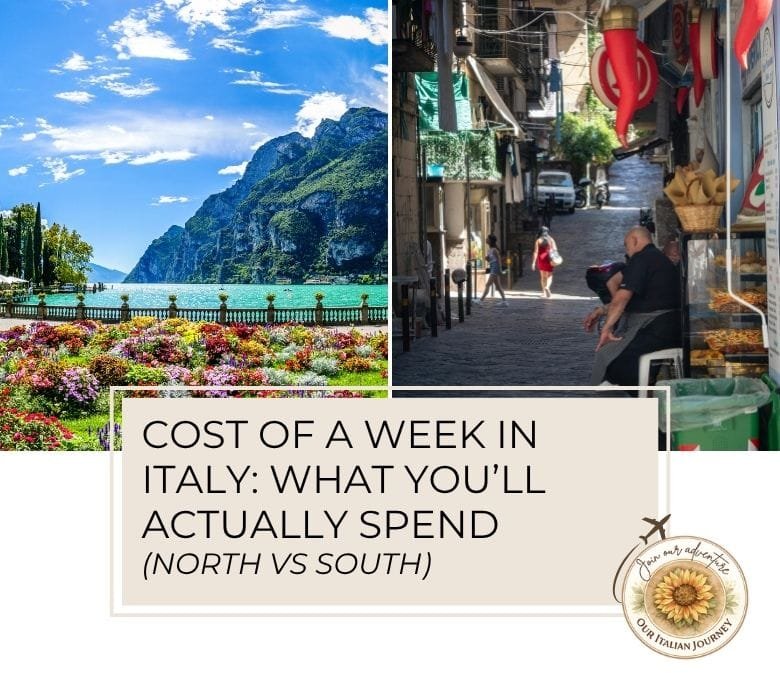
There are a few key things that shape your budget more than anything else, starting with where you go. Northern Italy tends to cost a little more overall, especially in cities like Venice and Milan, where accommodation and dining in central areas can add up quickly. Southern Italy works differently because it has a wider range of pricing. Naples can feel very reasonable, while the Amalfi Coast and Capri can quickly move into a much higher price bracket. Even within the same region, your base location can completely change your daily spend.
Accommodation style also plays a big role. Many travelers choose between budget hotels and apartment-style stays, and that choice alone can shift their weekly total more than they expect. Food and transport habits also matter, especially how quickly or slowly you move through the country. One of the biggest surprises for first-time visitors is that slowing down often reduces costs, while moving between cities every couple of days usually increases both transport and accommodation expenses.

Cost Of A Week In Northern Italy
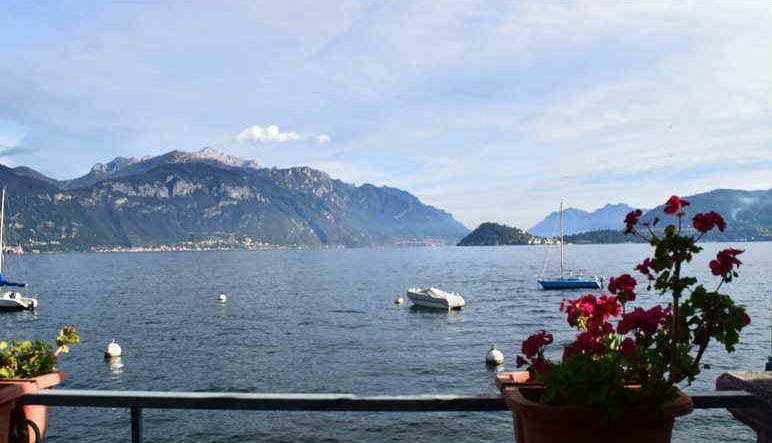
Northern Italy includes places like Milan, Venice, Verona, Bologna, and the Lake region. It’s well organized, easy to travel through, and very connected by train, which is why it’s such a popular starting point for first-time visitors.
For a week in this part of the country, most travelers spend around €700 to €1,050 on a budget trip, €1,050 to €1,750 for a mid-range experience, and €1,750 to €2,800 or more for a comfortable stay. Costs tend to rise in cities like Venice, where accommodation demand is consistently high, and in central tourist areas where dining prices are higher than just a few streets away. High-speed trains between cities can also add up if they’re booked late, which is why the north really rewards planning and early booking.

Cost Of A Week In Southern Italy (Coastal Focus)
For southern Italy, we’re focusing on the coastline: Naples, the Amalfi Coast, Capri, and the Cilento region. This stretch of Italy feels completely different in pace and pricing compared to the north, and your exact base can dramatically change your budget.
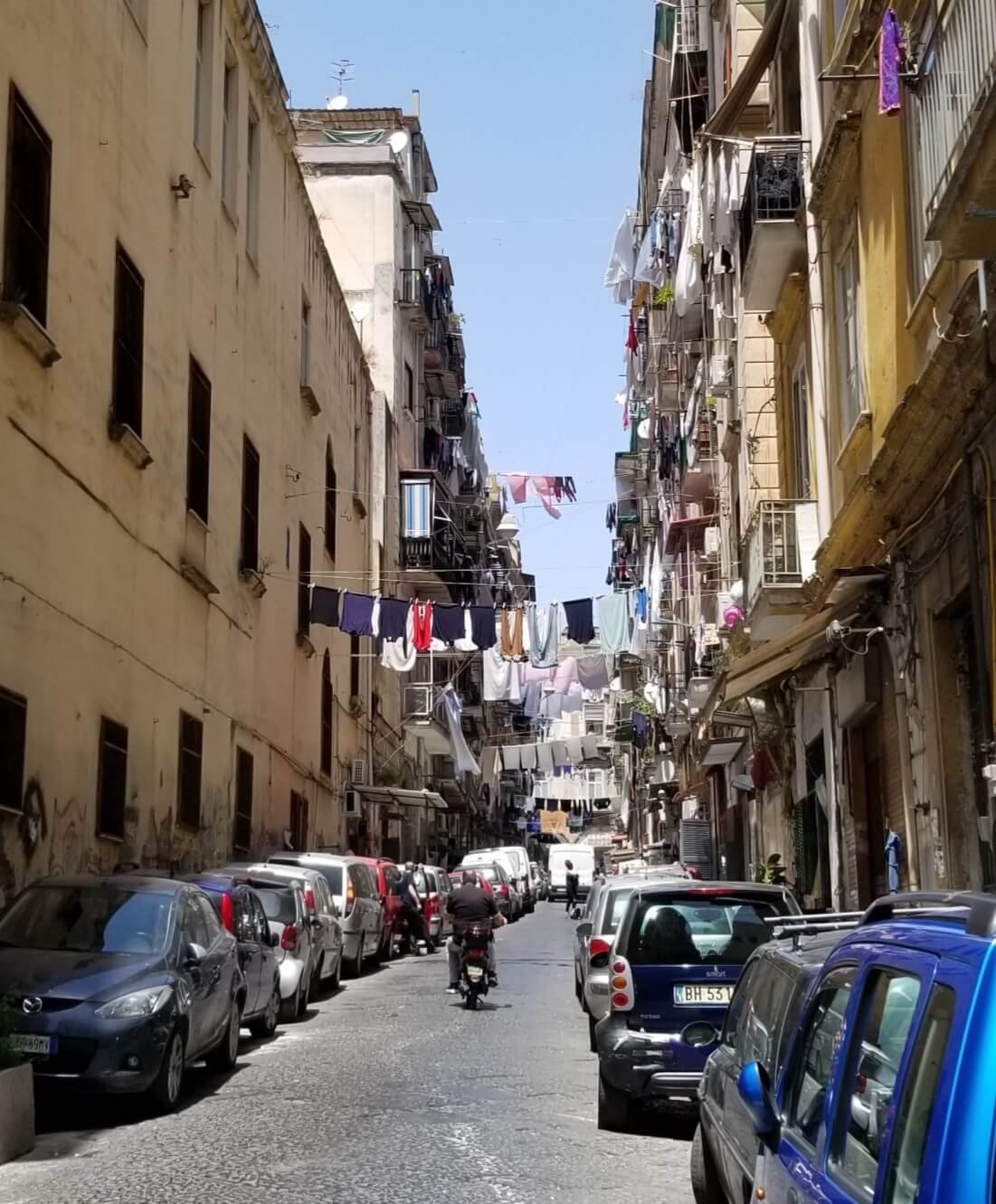
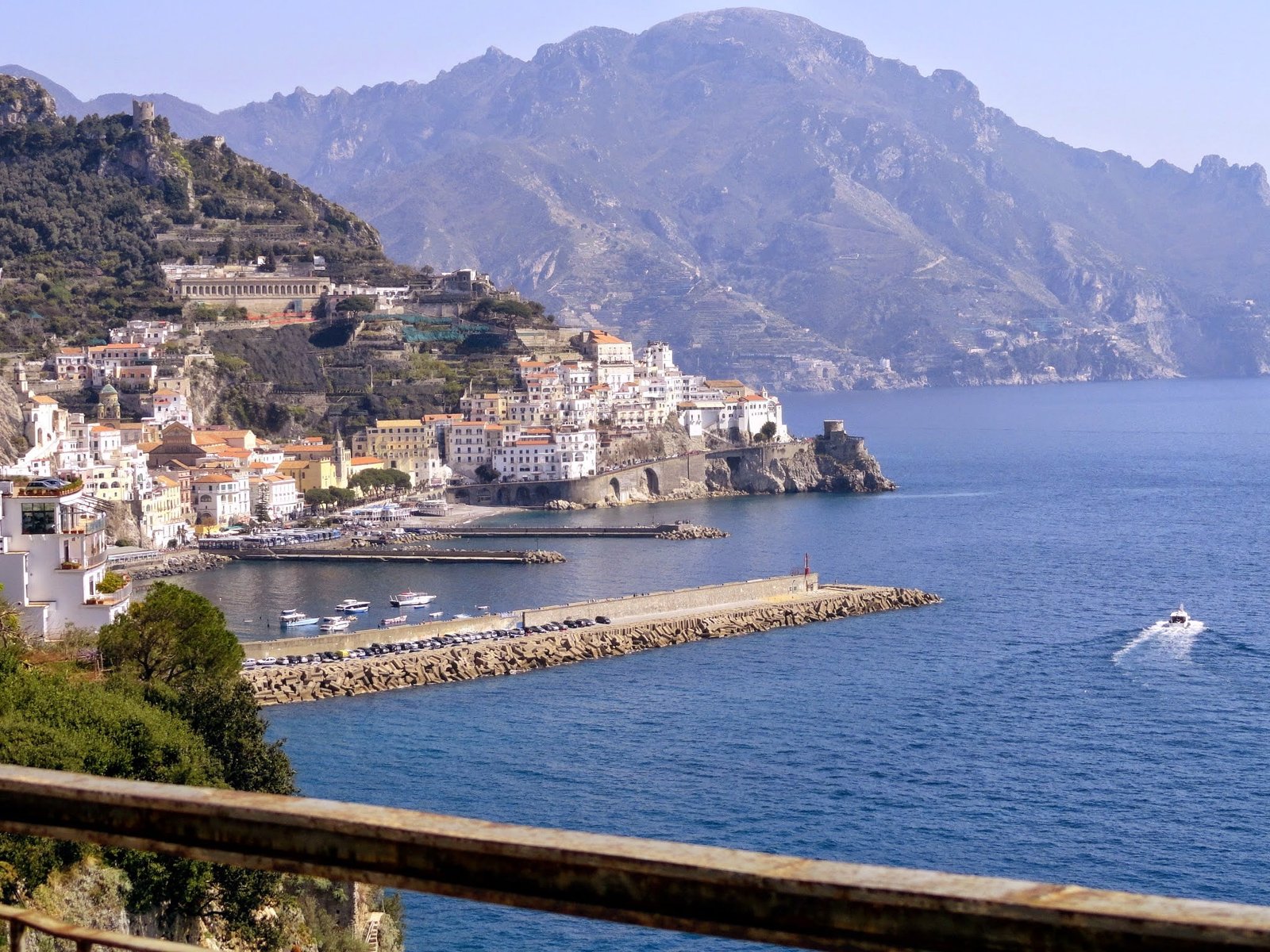
A week here typically ranges from €650 to €1,100 for budget travel, €1,100 to €2,000 for mid-range, and €2,000 to €3,500 or more for a comfortable stay. The reason southern Italy feels more unpredictable is because each area behaves differently. Naples is often surprisingly good value, especially for food and local transport, while the Amalfi Coast is one of the most expensive coastal areas in Italy, particularly in peak season. Capri pushes costs even higher with its luxury day-trip feel, while Cilento offers a quieter and far more affordable alternative that many travelers still overlook.
This contrast is what makes the south so interesting from a budgeting perspective. You can have a very different experience depending on just one decision: where you base yourself.
Food Costs In Italy
Food is one of the most flexible parts of any Italy budget, and where personally I think travelers tend to underestimate spending the most. A realistic weekly food budget per person ranges from about €150 to €300 for budget travel, €300 to €600 for mid-range travel, and €600 to €1,000 or more for a comfortable experience.
Most people naturally end up mixing their meals without overthinking it. Breakfast might be something simple from a bakery or grocery shop, lunch could be a casual meal out, and dinner might range from a relaxed trattoria to an aperitivo experience that easily replaces a full meal. What changes most is not the country itself, but your habits, because eating out for every meal, especially in tourist-heavy areas, increases costs quickly anywhere in Italy.
Transport Costs And Why It Feels Different North Vs South
Travel in northern Italy is generally straightforward, with trains connecting major cities efficiently so you rarely need a car unless you’re heading into rural areas or the lakes. Southern Italy feels more mixed because while trains exist, they do not always cover coastal routes as smoothly, which means many travelers combine buses, ferries, or rental cars depending on their itinerary.
One of the most common budgeting mistakes, and a bit of a pet peeve of mine, is trying to see too much in a short time. On paper, it looks efficient, but in reality, it increases both transport costs and stress without improving the experience.
So… Is Italy Expensive For A Week?
Italy is not one fixed price, and it shifts depending on where you go and how you travel. Northern Italy tends to sit slightly higher on average, while southern Italy offers a wider range of possibilities. You can travel the south on a modest budget or spend significantly more if you focus on places like the Amalfi Coast or Capri.
The real takeaway is simple: Italy gives you control. Your budget is shaped less by the country itself and more by the choices you make once you are here.
Final Thoughts: What You Should Actually Budget
For most travelers, a realistic week in Italy looks like this: €650 to €1,100 for budget travel, €1,100 to €2,000 for mid-range travel, and €2,000 to €3,500 or more for comfortable travel. Once you understand the extent of variation across regions, planning Italy becomes much easier. It’s not about finding a single number, but about choosing the version of Italy you want to experience.