

Second trip to Italy planning is very different from planning your first visit. The first time, most travelers want to see Rome, Florence, Venice, and the Amalfi Coast. They try to fit as much as possible into one itinerary because they are not sure when they will return.
However, something changes after that first visit. You begin to realize that Italy is not a country you can fully appreciate in a whirlwind tour. To me, the places you remember most are often not the famous landmarks. They are the quiet moments in a piazza, the family-run restaurant tucked down a side street, or the charming town you almost skipped.
This post contains affiliate links that help keep this website running. By purchasing through our links, we make a small commission at no extra charge to you. Thank you for your support!
👉 Save on Budget to Luxury Accommodations
If you’re planning a second trip to Italy, here are nine secrets that can help make it even better than your first.
1. Stay Longer And See Less
One of the biggest mistakes travelers make (and my biggest pet peeve) is trying to see too much. It’s understandable on a first trip. You want to experience as much of Italy as possible, so you move from city to city every few days.
A second trip is the perfect opportunity to slow down. Instead of visiting five or six destinations, consider focusing on just two or three. Spending more time in each place allows you to settle in, discover local favorites, and enjoy Italy at a pace that feels far more relaxing.
You’ll spend less time dragging luggage through train stations and more time enjoying long lunches, evening strolls, and those small moments that make travel memorable.
2. Look Beyond The Famous Destinations
Rome, Florence, and Venice deserve their popularity, but they are only part of Italy’s story. Your second trip is the perfect time to explore destinations that many first-time visitors overlook. Places like Lucca, Parma, Ravenna, Orvieto, Lecce, and Trieste offer beautiful architecture, rich history, incredible food, and a more authentic feel.
Many travelers are surprised to discover that these smaller cities and towns become the highlight of their trip. Without massive crowds and packed itineraries, it’s easier to connect with the local culture and enjoy a more relaxed experience.

3. Choose A Region Instead Of An Entire Country
Italy may look small on a map, but every region has its own personality, traditions, and cuisine. Rather than planning another trip that jumps all over the country, consider focusing on a single region. Spend your vacation exploring Tuscany, Sicily, Puglia, Emilia-Romagna, Umbria, or another area in depth.
By slowing down and concentrating on one region, you’ll gain a deeper appreciation for local customs, food, landscapes, and daily life. You’ll also spend less time traveling and more time enjoying your destination.
4. Stop Chasing Attractions
A first trip to Italy often revolves around checking famous landmarks off a list. You want to see the Colosseum, the Leaning Tower of Pisa, and the canals of Venice.


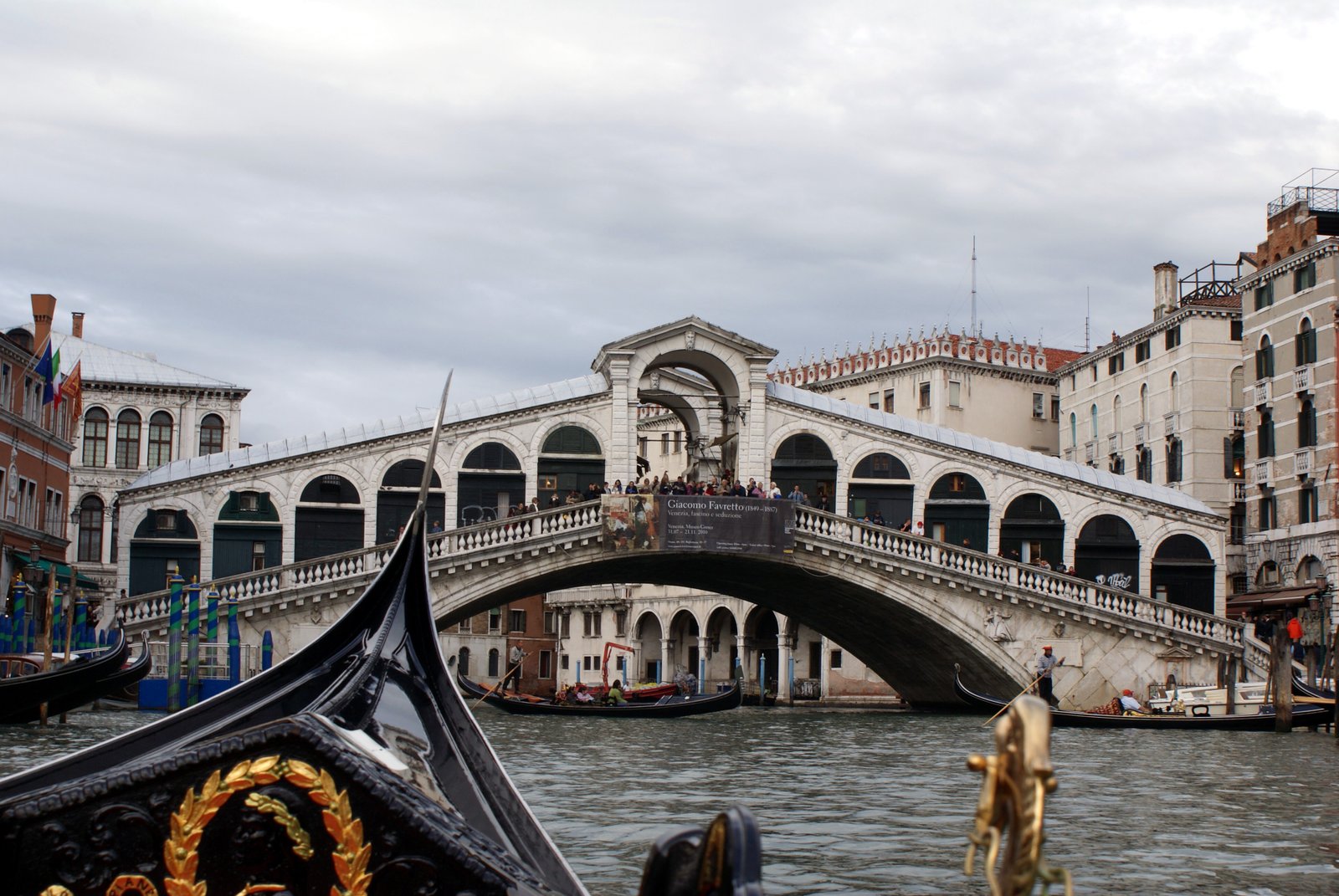
By your second trip, you have the freedom to shift your focus from attractions to experiences. Take a cooking class. Join a wine tasting. Attend a local festival. Wander through a neighborhood market. Spend an afternoon sitting in a café watching daily life unfold around you. These experiences often leave a stronger impression than another photo of a landmark you’ve seen in countless travel brochures.
5. Learn The Regional Food Culture
Many visitors arrive in Italy expecting the same food everywhere. They quickly discover that’s not how Italy works. Each region has its own specialties, traditions, and flavors. Emilia-Romagna is known for Parmigiano Reggiano, prosciutto, and fresh pasta. Tuscany celebrates simple ingredients and hearty dishes. Sicily blends influences from multiple cultures into a unique cuisine all its own. A second trip to Italy is a wonderful opportunity to go beyond pizza and pasta and discover the incredible diversity of Italian food.
6. Travel During The Shoulder Season
If your first visit was during the peak summer months, consider planning your next trip during spring or fall. April, May, September, and October often bring pleasant temperatures, manageable crowds, and a more relaxed atmosphere. Popular attractions are easier to enjoy, restaurant reservations are less competitive, and cities feel less crowded. Many experienced travelers consider the shoulder season the best time to visit Italy.
7. Venture Into The Countryside
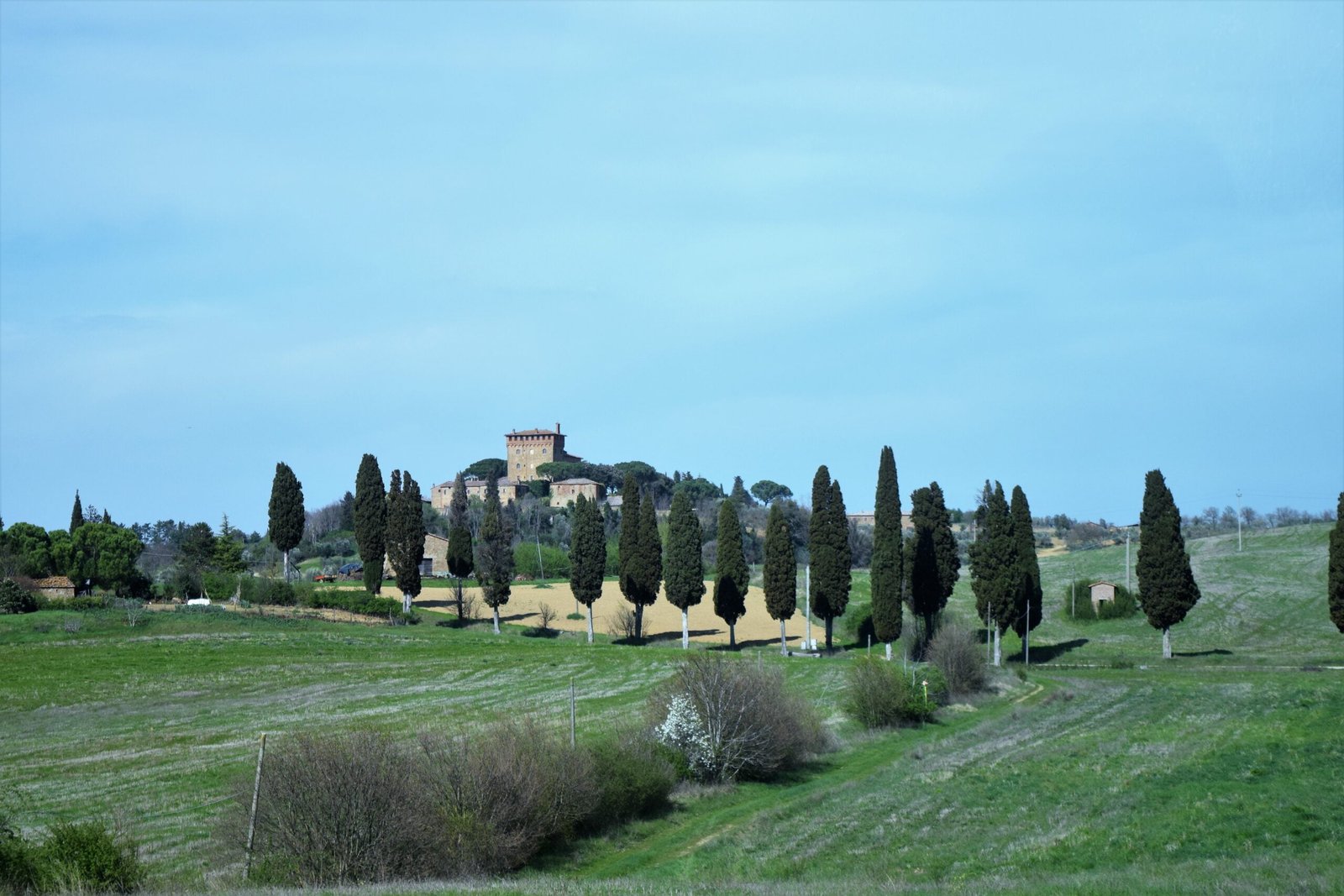
Italy’s cities are amazing, but the countryside offers a completely different perspective. Rolling vineyards, olive groves, hilltop villages, and scenic back roads reveal a quieter side of the country. Whether you’re exploring Tuscany, Umbria, Piedmont, or Puglia, spending time outside the major cities often leads to some of the most memorable experiences.
The slower pace, stunning scenery, and warm hospitality found in smaller communities can make you feel like you’ve discovered a completely different Italy.
8. Consider Renting A Car
Many travelers avoid driving on their first trip to Italy, and that’s often a smart decision when visiting major cities. However, a rental car can open up exciting possibilities on a second trip. It gives you the freedom to explore small villages, countryside wineries, and hidden corners that are difficult to reach by train. Regions such as Tuscany, Umbria, Le Marche, and Puglia become much easier to explore when you have your own transportation and can travel at your own pace.
9. Leave Room For The Unexpected
Perhaps the most important secret is to stop planning every minute of every day. Some of the best travel memories happen when you leave room for spontaneity. A local recommendation leads you to an unforgettable restaurant. A village festival appears when you least expect it. A quiet side street becomes your favorite discovery of the trip. I’ve said it many times, Italy rewards curiosity. When you allow yourself time to wander, you often discover experiences that no guidebook could have planned.
Final Thoughts
A second trip to Italy offers something many travelers miss the first time around: the chance to slow down and truly experience the country.
Without the pressure of seeing every famous landmark, you can focus on what makes Italy so special. You’ll have more opportunities to connect with local culture, enjoy regional cuisine, discover hidden gems, and create memories that go far beyond sightseeing.
Many travelers find that their second trip to Italy becomes their favorite. Once you’ve experienced the highlights, you’re free to explore the Italy that exists beyond the bucket-list destinations—and that’s often where the magic happens.





So true! Excellent advice Eileen and Gary. I’m feeling sorry for visitors in Florence and Rome this month. Crowds, Ferragosto, 40 degrees!🥵
I so agree, David. We’ve been like hermits these days. The humidity has been brutal!
Thanks Eileen and Gary for another interesting insight into your adopted country.
I have holidayed seven times in Italy for a month each time, over the last 12 years and would happily return again to explore the few regions I haven’t yet been to. You are so fortunate living in Lucca – it’s a lovely city.
Sadly, Italy is a long trip from Australia and it seems to get longer each year!
Thanks for your great articles
Thank you, Dianne, for such a lovely comment. So appreciate it. Please share our website with other Italophiles’ – we’d sure appreciate it.