
Pitti Palace, Florence Italy
The Pitti Palace is one of those places in Florence that sneaks up on you. You walk in thinking, okay, another museum, and then—boom—you’re standing in these enormous rooms trying to picture what it must have felt like to actually live here. Spoiler: it was not a humble life.
The palace is huge. Like, “don’t-try-to-wing-it” huge. You need to plan your time, or you’ll find yourself wandering hall after hall, wondering how you got lost in a painting. There are several areas to choose from, and they’re all part of different multi-tickets. So you can go big and see it all… or pick the spaces that interest you most. For example, Gary and I skipped the “Period Costumes” section. Zero regrets there (for us).
A Little History – (the fun, not boring kind)
Luca Pitti (a wealthy Florentine banker) built the palace around 1458 to show his status in Florence, hoping to stand on the same level as the Medici.
By 1549, the Pitti family had gone bankrupt, and Eleanor of Toledo—wife of Cosimo I de’ Medici—swooped in and bought the whole place. She wanted a quieter, calmer home away from the political chaos of Palazzo Vecchio. So yes, this grand palace was her “escape house.” Must have been nice.
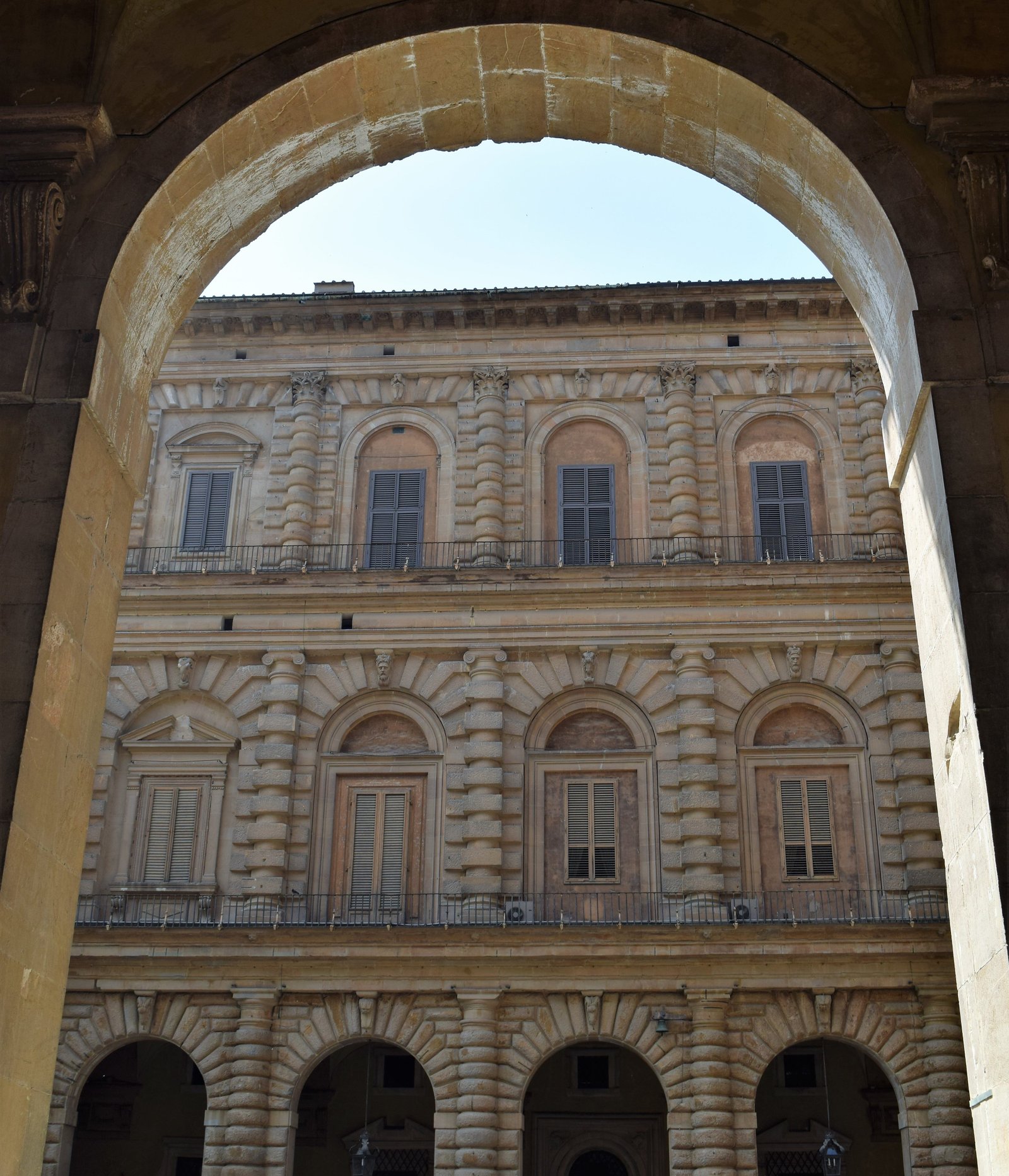
The original design is usually credited to Filippo Brunelleschi, though his student, Luca Fancelli, completed it. Later on, Giorgio Vasari expanded it into the massive structure you see today. Imagine living in a home so big it needs its own map.
Inside The Pitti Palace Apartments
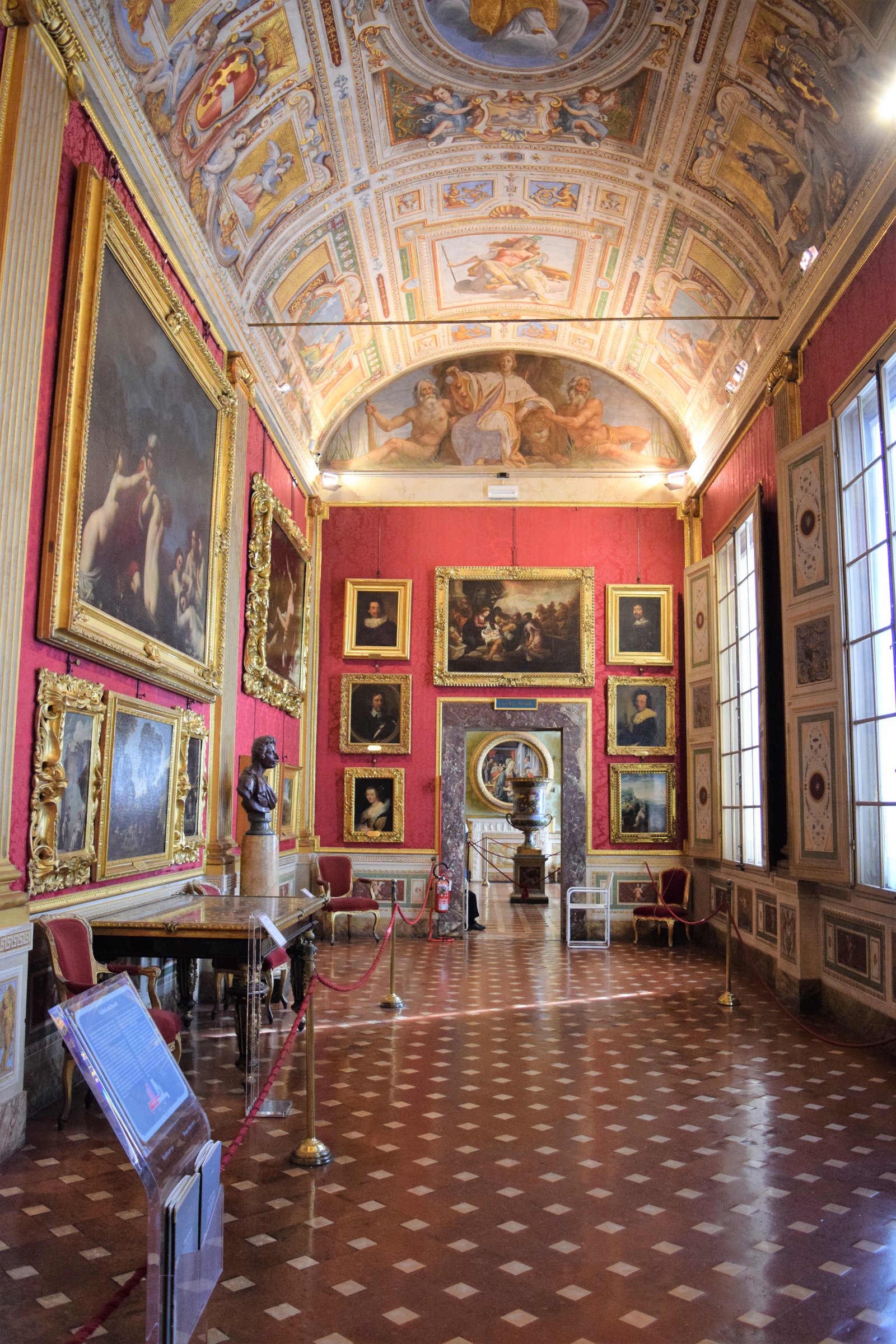
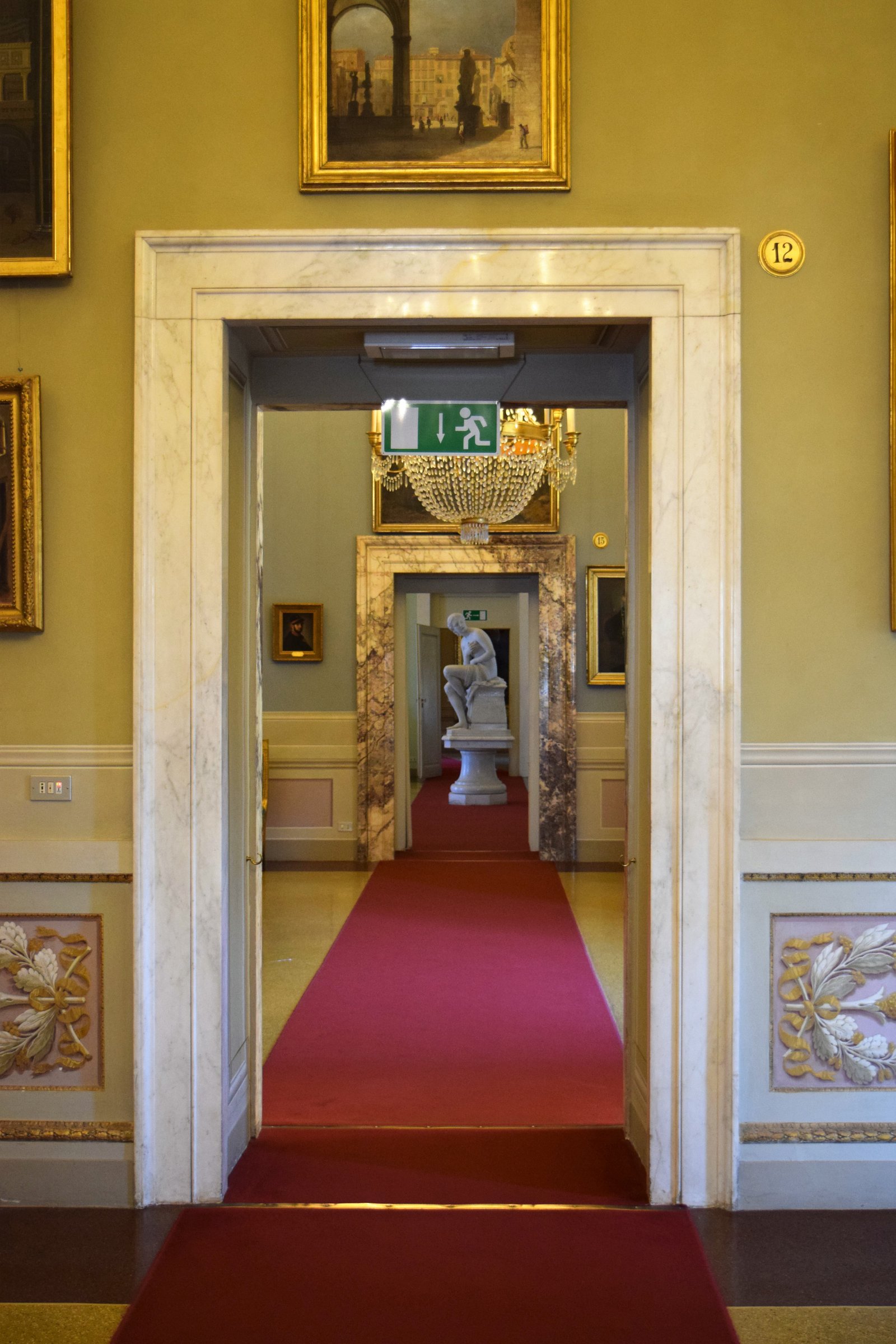
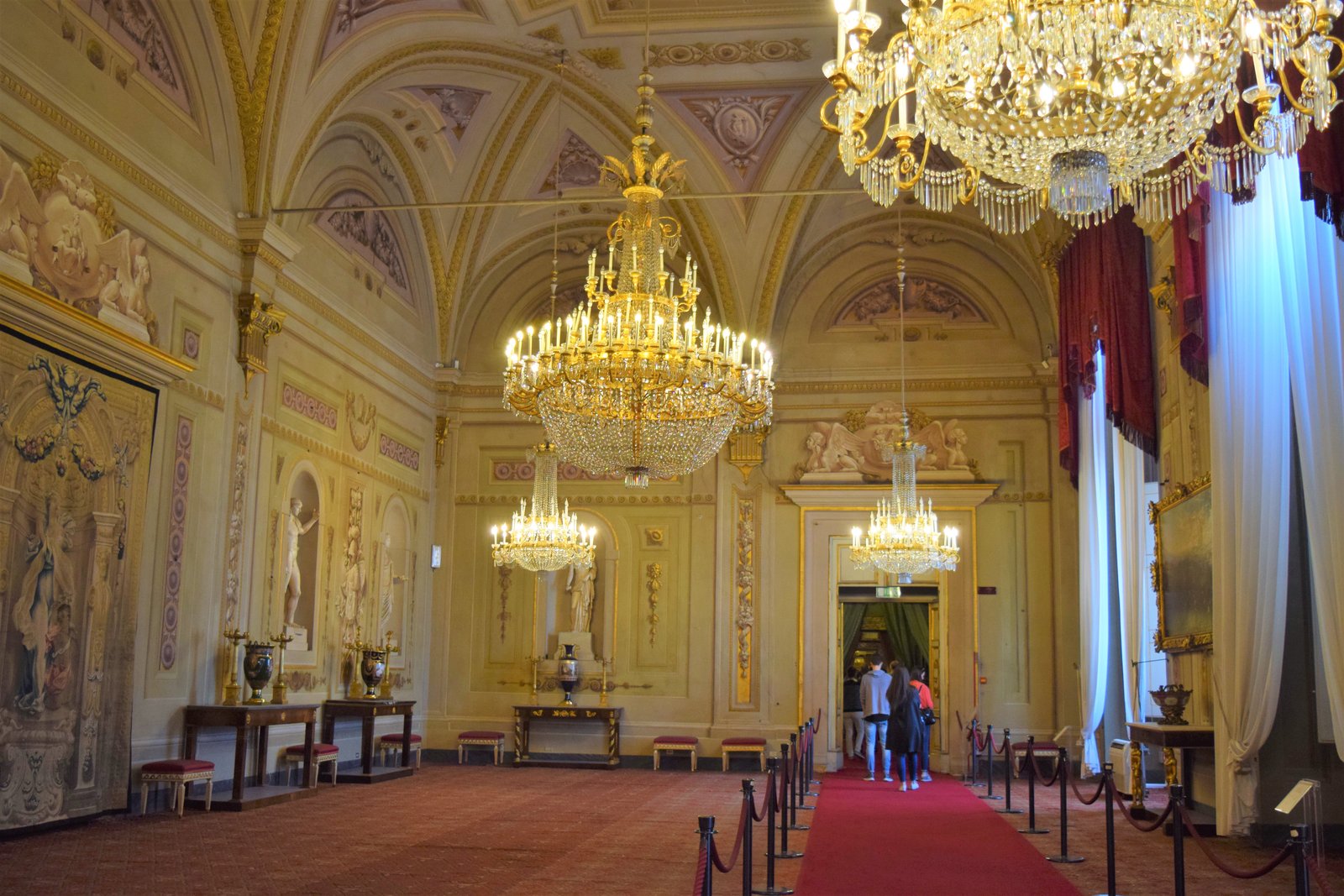
Walking through the Palatine Apartments was the best part for me. Each room felt like it was competing with the next—bigger chandeliers, richer fabrics, more art stacked on the walls. And you’re not just looking at paintings. You’re standing in rooms where the Medici family actually lived their daily lives. This is where they took their breakfast, argued, plotted, and hosted half of Europe’s important people.
It’s wild to stand there and think, this was someone’s normal.

Both these books beautifully capture the essence of Italy, its people, and the strong sense of community that defines life in small Italian towns. With lyrical prose and reflections, Ilene & Gary invite readers to accompany them on a journey of self-discovery and transformation in the heart of Tuscany.
Both books have won the Reader Ready “Recommended Read Award”

The Ceilings
I always say the ceilings are the real stars of the Pitti Palace. Each one is its own work of art—hand-painted frescoes that look like they could lift right off the plaster. Some are dramatic. Some are soft and airy. All of them are stunning.
You look up, and suddenly you understand why people used to walk around with stiff necks. I must have snapped at least a dozen extra photos that didn’t even make it into this post. They’re just too good.
And the chandeliers? They don’t play around. Each room feels like it’s trying to outshine the last—literally.


If You’re Planning a Visit
Here’s what helps:
- Give yourself time. An hour isn’t enough unless you’re sprinting. Two hours feels better. Three if you really love art.
- Choose your ticket wisely. You can pair the palace with the Boboli Gardens if you want a quieter break afterward.
- Mornings are calmer. Later in the day, tour groups roll in like a tide.
- The Pitti Palace keyword reminder: This is one of the most important sites on the Oltrarno side of Florence, and it’s well worth crossing the river for.
The Pitti Palace is more than a museum. It’s a window into the grand, messy, magnificent world of the Medici. And honestly? It’s one of the places in Florence that stays with you. For more information about this palace.

Editor’s Note: This post was initially published in March 2019 and was recently updated in September 2026 for accuracy and additional information.




Sage advice for a place such as this. I am always amazed at the enormity of these buildings and the fact that they were someone’s home HUNDREDS OF YEARS AGO!
I am equally amazed, Angelo! Blows my mind.