
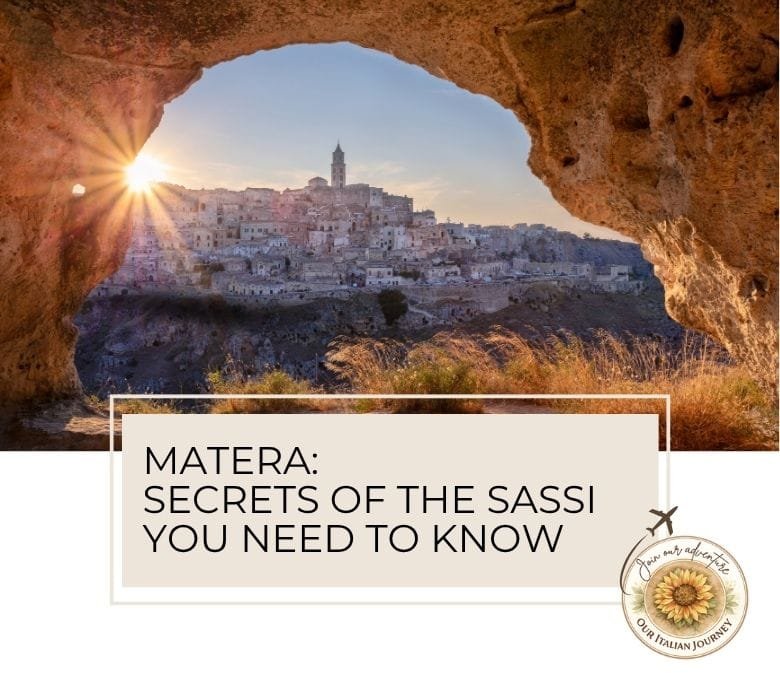
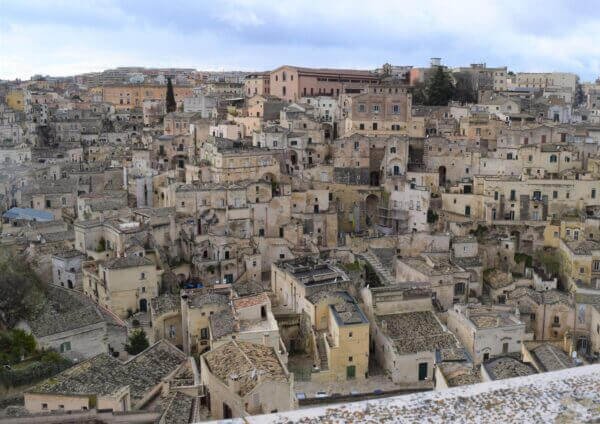
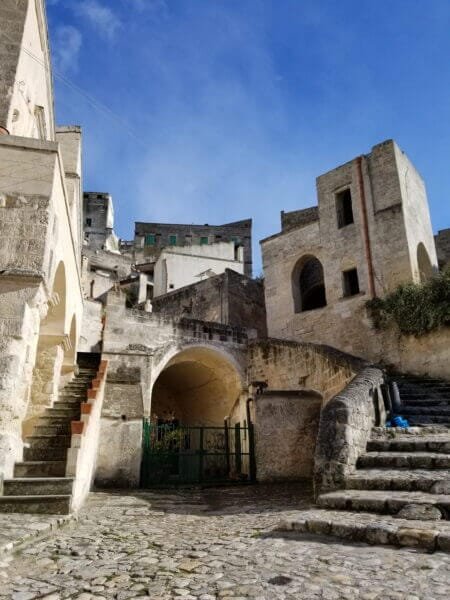
Matera is one of those places that can be hard to understand until you see it for yourself. Carved into the rock, the ancient Sassi look almost unreal, with homes, churches, stairways, and streets built into the hillside. Yet this fascinating city was once known as a “national shame” because families lived here in poverty without electricity, plumbing, or proper sanitation.
This post contains affiliate links that help keep this website running. By purchasing through our links, we make a small commission at no extra charge to you. Thank you for your support!
Firsthand Secrets of Matera
We booked a tour because we knew we would never really understand the full history of Matera without one. We highly recommend this tour on TripAdvisor. Renato Favilli’s Group at Discovering Matera
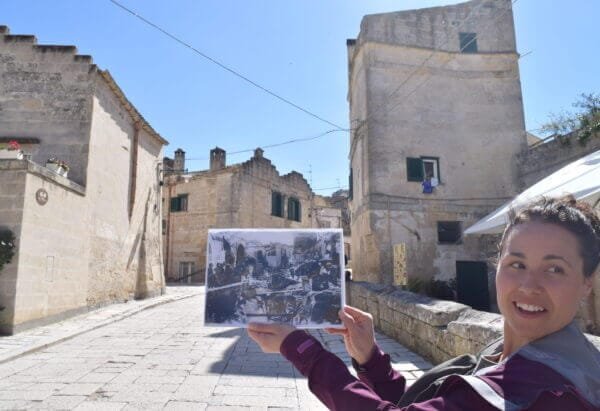
Sara, our guide, told us her grandparents used to live in the Sassi caves. The residents spent much of their time outside in a vicinato, a shared courtyard or small piazza where neighbors knew one another and helped each other with food, farming, and daily life. It was a close community, even though the living conditions were incredibly difficult.
The History of the Sassi
The story of Matera is both fascinating and heartbreaking. People have lived in the caves and rock-cut dwellings of the Sassi for thousands of years. Archaeologists have found evidence of settlements dating back to the Paleolithic period, making Matera one of the oldest continuously inhabited places in the world.
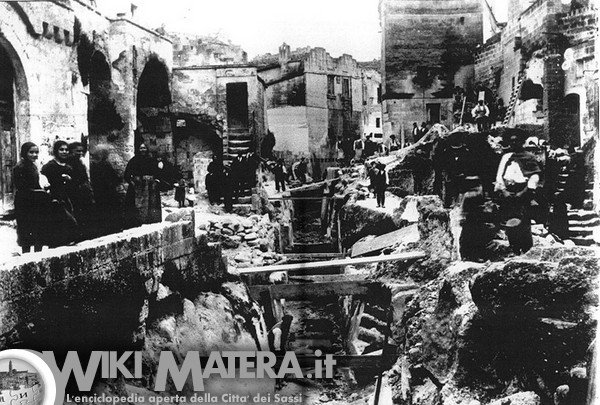
For generations, families lived in these caves with very little comfort. Several generations might share one small space, often along with animals. There was no running water, electricity, or proper sewage system, and disease was common. By the 1950s, the living conditions had become so poor that Matera was described as a “national shame.”
The situation became known outside Matera after writer Carlo Levi described the poverty of southern Italy in his memoir Christ Stopped at Eboli. In 1950, Prime Minister Alcide De Gasperi visited Matera and was shocked by what he saw. The Italian government then began moving families out of the Sassi and into new housing.
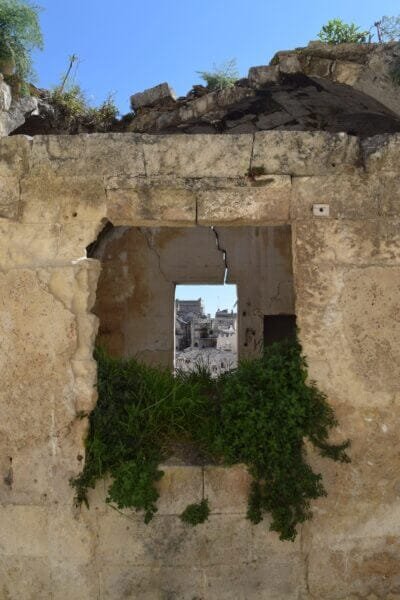
By the 1960s, most of the Sassi had been emptied. The government had hoped that the new homes would provide families with a healthier, more modern way of life. For years, the caves were largely abandoned, and it was hard to imagine that this neglected part of Matera would one day become one of Italy’s most fascinating destinations.
That began to change in the decades that followed. The Sassi were restored, some of the old cave homes became restaurants, hotels, and homes, and visitors slowly returned. In 1993, the Sassi of Matera were named a UNESCO World Heritage Site, helping recognize their remarkable history and architectural importance.

Matera’s Ancient Cisterns
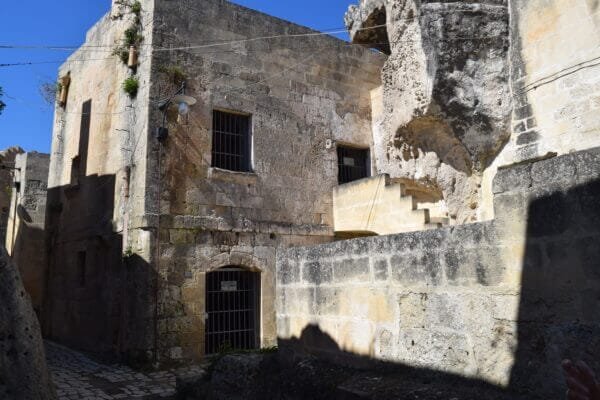
One of the secrets of Matera that surprised us was its incredible system for collecting and storing water. Because the Sassi were carved into soft rock, the people of Matera learned how to capture rainwater and direct it through a network of channels into underground cisterns. Without modern plumbing, this clever system enabled the collection, storage, and distribution of water throughout the Sassi.
The largest is the Palombaro Lungo, located beneath Piazza Vittorio Veneto. Carved into the rock, this enormous underground cistern is more than 15 meters deep and could hold hundreds of thousands of liters of water. Its walls were coated with a waterproof material to keep the precious water from disappearing into the rock.
Walking through the Palombaro Lungo gives you a whole new appreciation for how people lived here. There is so much more beneath Matera’s ancient streets than you might imagine.
Hollywood and Matera
Matera’s dramatic landscape has attracted filmmakers from around the world. The ancient stone buildings, winding stairways, caves, and rugged hills give it a look that is almost untouched by time. More than 50 films and television productions have used Matera as a backdrop.
One of the best-known films is Mel Gibson’s The Passion of the Christ, which was partly filmed here in 2003. Pier Paolo Pasolini also used Matera for The Gospel According to St. Matthew. More recently, Matera appeared in the James Bond film No Time to Die, showcasing the city’s spectacular streets and Sassi to an even larger audience.
And when you’re walking through Matera, you’ll understand why filmmakers love it. Around one corner, you might find an ancient cave dwelling, while the next opens to a sweeping view across the rocky landscape. It’s hard to find a better movie set when the real thing is already this dramatic.
Why Matera Is Worth Visiting
If you’re planning a trip through Puglia, we think Matera is worth the extra effort. Yes, driving can be a little tricky, and you won’t be parking right beside the sights. But that shouldn’t be a reason to skip it. Once you leave your car behind and start walking through the Sassi, the whole experience changes.
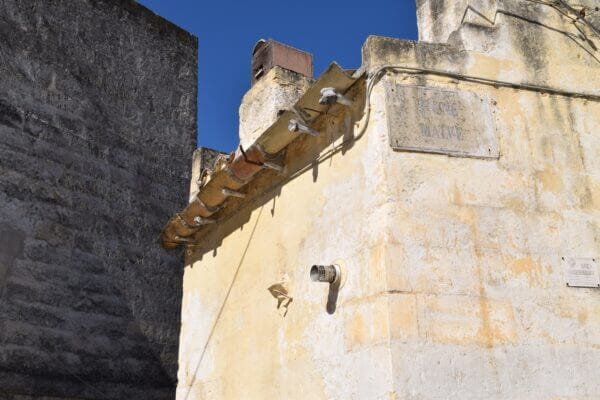
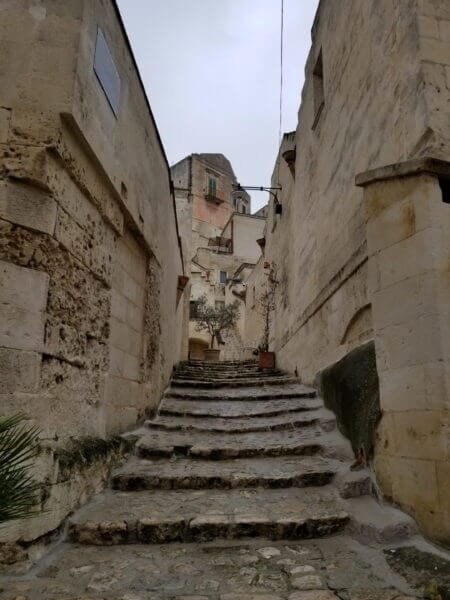
Part of the magic is simply wandering. There isn’t one single sight that explains Matera. Instead, you’ll find ancient homes carved into the rock, tiny streets, stone stairways, churches, and viewpoints opening onto the dramatic landscape. The Sassi are divided into two areas, Sasso Caveoso and Sasso Barisano, both of which are worth exploring.
We also recommend taking your time. Matera isn’t a place to rush through in a few hours, check off a few sights, and leave. Give yourself time to walk, stop for a coffee or aperitivo, peek inside a cave church, and enjoy the views. The more you explore, the more you begin to notice the details that make Matera so unusual.
And this is exactly why we told our friends, “Big mistake!” When they put Matera back on their itinerary, they discovered what we already knew. Sometimes the places that take a little more effort to reach are the ones you remember long after the trip is over.
UNESCO World Heritage Site
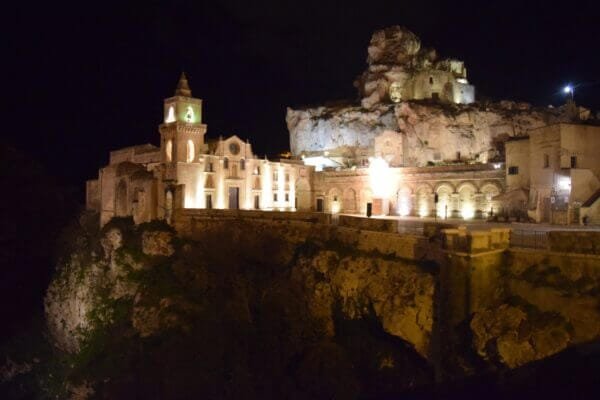
The Sassi of Matera became a UNESCO World Heritage Site in 1993. This recognition brought attention to the area’s incredible cultural and historical importance and supported the restoration that was already beginning to change its future.
Today, the Sassi is no longer the neglected neighborhood it once was. Former cave homes have been restored and turned into homes, restaurants, shops, and unique places to stay. You can walk through streets that were once nearly abandoned and now find people enjoying dinner, sipping wine, or sitting outside a café.
What makes Matera so special is that the restoration hasn’t erased its past. The ancient rock homes and narrow streets are still very much part of the city. Instead, Matera has found a way to welcome visitors while preserving the story of the people who lived here.
A Few Things To Know Before Visiting Matera
Matera In 2019
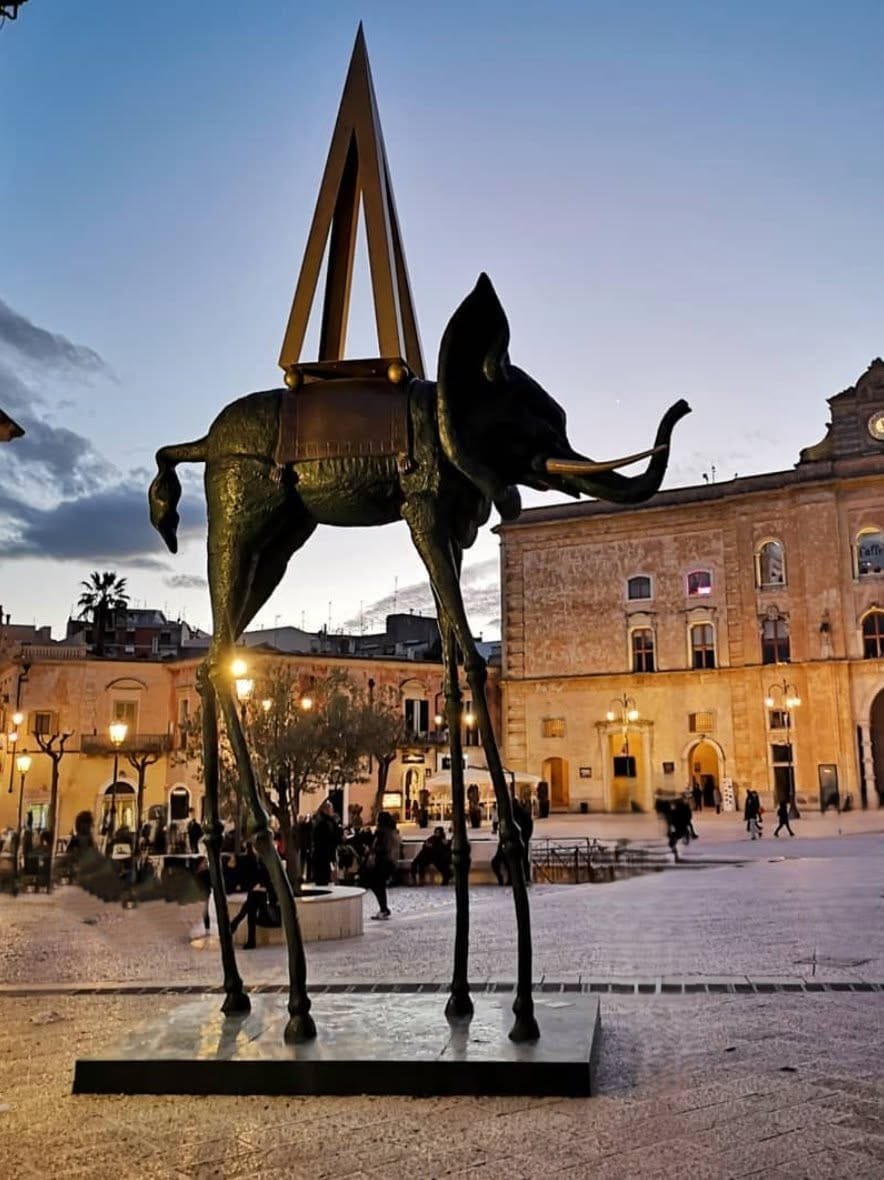
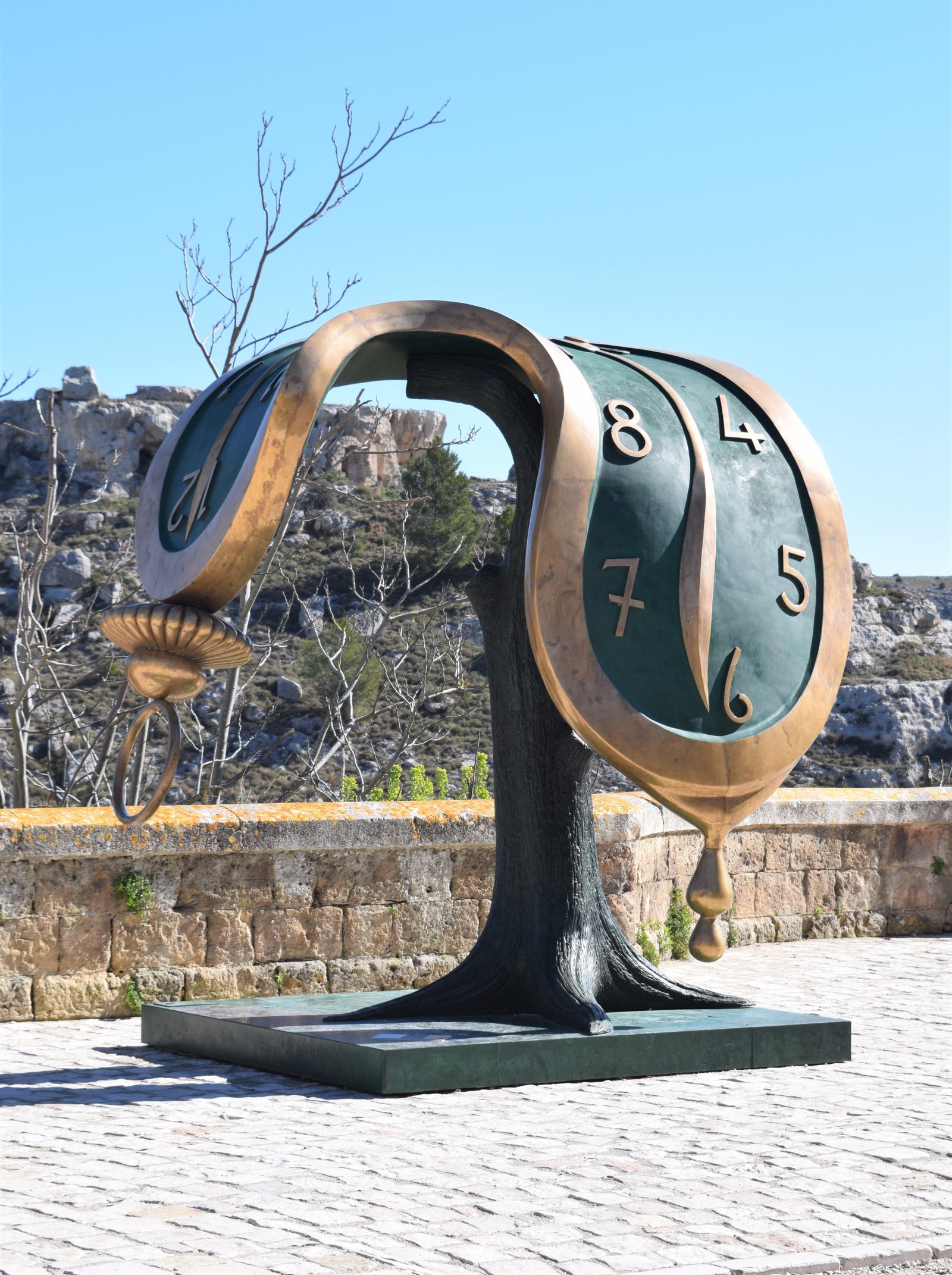
When we visited Matera in 2019, the city was celebrating its year as European Capital of Culture. Temporary works by Salvador Dalí were displayed around the historic center, including several of his larger sculptures.
We came across the sculptures while exploring the city, and they made an already fascinating walk feel a little surreal. These installations were part of Matera’s 2019 celebrations, so they are no longer something you should expect to see today, but we wanted to share a few of our photos from that memorable visit.
Our Final Thoughts On Matera
Matera is not the easiest place to visit, and perhaps that’s part of what makes it so memorable. The Sassi aren’t polished into something unrecognizable. You can still see the homes carved into the rock, walk the same narrow paths people used for generations, and imagine what life must have been like here.
For us, Matera is one of those places where knowing a little of its history makes what you see even more remarkable. And if you’re traveling through Puglia, don’t make the mistake of skipping it. Put Matera on your itinerary. You’ll be glad you did.
We highly recommend this hotel if you want a cave setting and fantastic service!
Matera – Places to Stay

Editor’s Note: This post was initially published in March 2019 and was recently updated in September 2026 for accuracy and additional information.




Great information on Matera. Will be there in July. Noticed a photo of a bridge over canyon —- tell me, did you walk it?
Greetings from Phoenix . BTW – We spend the summers in Italy.
Hi Susan! You are from Phoenix? How great! Thanks for the comment… but we did not cross the bridge. We saw others who did just walking on the hillside. Looked beautiful but didn’t have time in the schedule. This year is a great time to visit Matera. Have fun in July and let us know your thoughts. I highly recommend our tour. Was so affordable and wonderful!!!