When most travelers dream about Italy, they picture rolling vineyards, medieval hill towns, colorful coastal villages, and famous landmarks like the Colosseum or the Leaning Tower of Pisa. Yet tucked behind ancient walls and hidden within bustling cities are some of the country’s most fascinating attractions—its botanical gardens.
Botanical gardens in Italy are far more than beautiful places to admire flowers. Many are among the oldest in the world, dating back 500 years. What began as outdoor classrooms for doctors and pharmacists has evolved into peaceful green spaces where visitors can slow down, learn about rare plants, and discover a completely different side of Italy’s rich history.
Whether you have a green thumb or simply enjoy exploring places that most tourists overlook, Italy’s botanical gardens deserve a place on your itinerary. From UNESCO World Heritage Sites to hidden gems filled with extraordinary plants, each garden tells a story that stretches across centuries.
This post contains affiliate links that help keep this website running. By purchasing through our links, we make a small commission at no extra charge to you. Thank you for your support!
👉 Save on Budget to Luxury Accommodations
Why Does Italy Have So Many Botanical Gardens?
Italy’s remarkable collection of botanical gardens can trace its roots to the Renaissance, a period when science, medicine, and education flourished alongside art and architecture. During the 16th century, universities began creating living collections of medicinal plants for students studying medicine and pharmacy. These early gardens became outdoor classrooms where future doctors could see, touch, and study the plants used to prepare remedies.
They were known as giardini dei semplici, or “gardens of simples.” The word semplici referred to medicinal herbs and plants that were used as simple remedies before modern pharmaceuticals existed. You have to remember that during this time, explorers were returning to Europe with plants collected from the Americas, Africa, and Asia. Universities suddenly found themselves responsible for identifying and studying species that had never been seen in Europe before. Botanical gardens became living laboratories where these plants could be cultivated, classified, and preserved.
As the centuries passed, botanical gardens evolved. During the 17th and 18th centuries, cities and noble families began creating gardens as symbols of culture, learning, and civic pride. Their purpose has changed over the centuries, and many botanical gardens in Italy continue to maintain medicinal herb collections that honor their original mission.
Orto Botantico is the Italian term for “botanical garden”
What Makes Botanical Gardens in Italy So Special?
Unlike many modern botanical gardens around the world, Italy’s gardens offer something unique. They combine centuries of history with stunning landscapes, making them equally interesting to history lovers as to gardening enthusiasts. Many gardens still preserve their original Renaissance layouts, while others showcase elegant villas, fountains, sculptures, and historic buildings that blend seamlessly into the landscape.
Perhaps the greatest appeal is the sense of tranquility they offer. After a busy morning exploring museums or navigating crowded streets, a botanical garden provides a welcome opportunity to slow down. You can sit beneath the trees, listen to birds singing overhead, and enjoy a quieter side of Italy that many visitors never experience.
The Top Botantical Gardens in Italy
Orto Botanico di Padova
If there is one botanical garden that belongs on every traveler’s list, it is the Orto Botanico di Padova. Founded in 1545, it holds the distinction of being the world’s oldest university botanical garden still located in its original setting. Its remarkable history earned it recognition as a UNESCO World Heritage Site.
Originally established by the University of Padua to teach medical students about medicinal plants, the garden became one of Europe’s leading centers for botanical research. Even if you’ve never considered yourself interested in gardens, it’s difficult not to appreciate the significance of standing in a place where botanical science has flourished for nearly five centuries.
Orto Botanico di Pisa
The Orto Botanico di Pisa was founded in 1544 by the renowned botanist Luca Ghini. Although it later moved to its current location, it remains one of the oldest university botanical gardens in the world. The garden began providing students with living examples of medicinal plants. Over time, it expanded into a diverse collection representing ecosystems from across the globe. Because it’s just a short walk from the Leaning Tower of Pisa, it’s an easy addition to a day of sightseeing while offering a welcome escape from the busy tourist crowds.
Orto Botanico di Firenze
Nestled within Florence’s historic center, the Botanical Garden of Florence—often called the Garden of Simples—was established in 1545. While Florence is famous for Renaissance masterpieces and magnificent churches, relatively few visitors make time for this peaceful retreat. The medicinal herb garden remains one of its highlights, connecting modern visitors to its original purpose.
Orto Botanico di Bologna
The University of Bologna, recognized as the oldest university in the Western world, established its botanical garden in 1568. Visitors will discover greenhouses filled with succulents and tropical plants alongside carefully maintained outdoor collections representing plants from different regions of the world. Its compact size makes it easy to explore in an hour or two, making it an excellent addition to any visit to Bologna’s medieval streets and famous food scene.
Orto Botanico di Roma
Hidden behind the lively streets of Trastevere lies one of Rome’s most peaceful attractions. Covering nearly 30 acres, the Botanical Garden of Rome offers an impressive variety of landscapes, including bamboo forests, rose gardens, Mediterranean plants, Japanese gardens, and Italy’s largest collection of palm trees. For travelers spending several days in Rome, this garden provides the perfect opportunity to escape the city’s busy pace without leaving the historic center.
Orto Botanico di Napoli
Founded in 1807 during the reign of Joseph Bonaparte, the Botanical Garden of Naples is one of southern Italy’s finest collections of plants. Managed today by the University of Naples Federico II, it spans nearly 30 acres and is home to thousands of plant species from around the world. One of the highlights is its remarkable collection of succulents and tropical plants, along with ancient cycads that have survived since the age of dinosaurs.
Orto Botanico di Palermo
If you visit Sicily, don’t miss the Botanical Garden of Palermo. Established in 1789, it is considered one of Europe’s most important botanical gardens. One of the garden’s most photographed features is its magnificent Moreton Bay fig, whose enormous roots stretch dramatically across the ground. Walking beneath its massive branches is an experience that leaves a lasting impression. The garden also continues its scientific mission, serving as both a research institution and a peaceful green oasis in the heart of Palermo.

Orto Botanico di Lucca
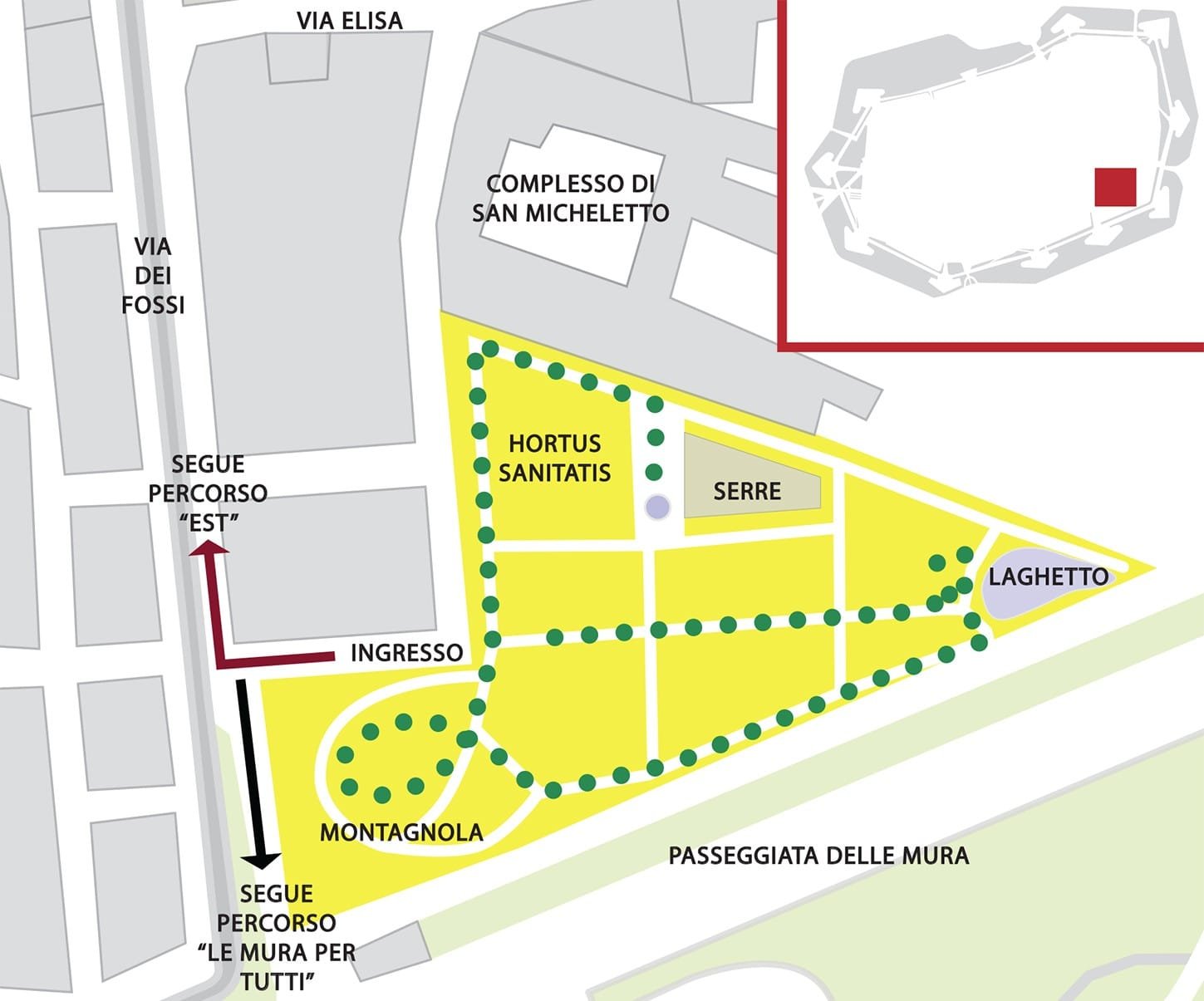
Founded in 1820 through a donation from Duchess Maria Luisa de Bourbon, the Orto Botanico di Lucca is unlike any other garden on this list in one key respect: it was built directly against Lucca’s Renaissance walls, which form part of its actual boundary rather than a scenic backdrop. Walkers strolling the wall can look down into the garden itself, making it one of the few botanical gardens in Italy visible from a fortification still in active public use. Inside, a Lebanese cedar planted in 1822 and a towering ginkgo, blazing gold each autumn, anchor the arboretum. At the garden’s quiet center lies a small pond tied to one of Lucca’s own legends, said to be the spot where the doomed noblewoman Lucida Mansi vanished after her bargain with the devil came due.
Tips for Visiting Botanical Gardens in Italy
Every botanical garden has its own personality, but a little planning can make your visit even more enjoyable. Spring is often considered the best time to visit, as many gardens come alive with colorful blooms and fresh greenery. Early summer is also beautiful, although temperatures can climb quickly in Italy. Autumn offers comfortable weather, fewer crowds, and beautiful seasonal colors.
Most gardens charge a modest admission fee, while some are free or included with city museum passes. It’s always worth checking opening days and hours before you visit, as many university gardens have seasonal schedules.
Comfortable walking shoes are a must. Bring water during the warmer months. Remember to take your time… these aren’t places to rush through. Find a shaded bench, listen to the birds, and enjoy a quieter side of Italy. If you enjoy photography, botanical gardens are also wonderful places to visit in the early morning or late afternoon, when the light is softer, and the crowds are smaller.
Final Thoughts on Botanical Gardens in Italy
Italy’s botanical gardens tell stories that reach far beyond flowers and beautiful landscapes. What began as outdoor classrooms for students studying medicine eventually became places where travelers from around the world could reconnect with nature and history.
The next time you’re planning an Italian itinerary, consider leaving room for one of these remarkable gardens. You may arrive expecting flowers, but you’ll leave with a much deeper appreciation for the country’s fascinating past.

If your itinerary includes museums, churches, and busy city centers, add a botanical garden to your day. Even an hour surrounded by trees and flowers can be a refreshing break before heading back into Italy’s bustling streets.
A Personal Thank You… Special thanks to my good friend, JoAn, for suggesting such an unusual blog post. JoAn is a true “birdie” at heart, and it’s through her eyes that mine have been opened to so many of the quieter wonders of Italy. She has a way of noticing the beauty that many of us simply walk past. She was also kind enough to write the paragraph about the Orto Botanico di Lucca. We’ve lived here five years, and I’ve only seen it from up on the wall. Although it does happen to be one of my favorite places to sit—right in front of the pond.
Sometimes I forget that not every trip to Italy has to be about sightseeing or checking iconic landmarks off a list. Many travelers simply enjoy spending time in nature, and Italy’s beautiful botanical gardens offer the perfect place to slow down, relax, and discover another side of this incredible country.