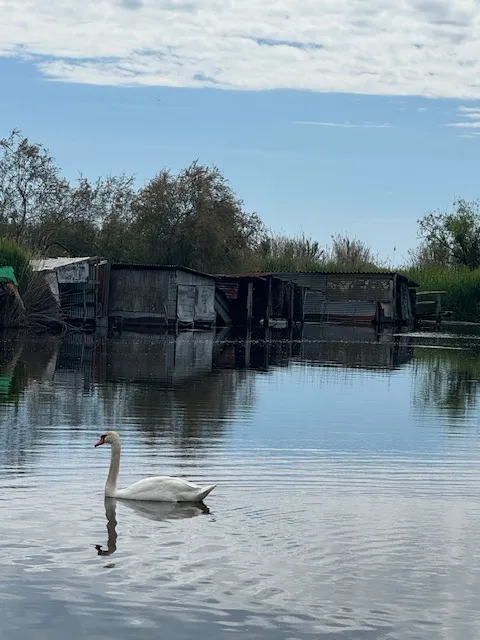
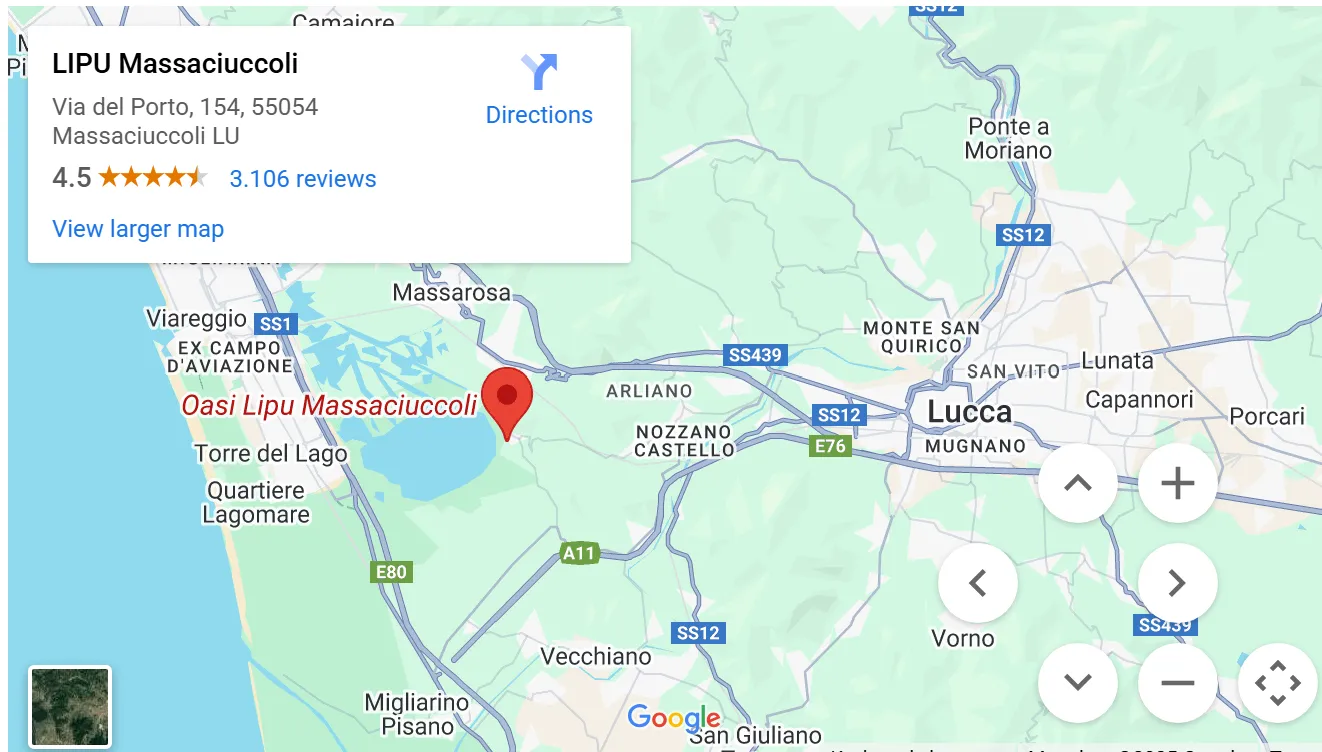
The Massarosa Wetlands are just beyond Lucca. It’s a tranquil landscape of calm water, whispering reeds, and birds everywhere. Massarosa is often skipped by travelers heading toward the coast or the city, but tucked inside it is one of the most peaceful natural escapes in northern Tuscany: Oasi Lipu di Massaciuccoli.
It’s the kind of place where you wander and where the sound of marsh birds replaces traffic, and where slowing down feels effortless.
This post contains affiliate links that help keep this website running. By purchasing through our links, we make a small commission at no extra charge to you. Thank you for your support!
Oasi Lipu di Massaciuccoli, Massarosa Wetlands
Most people stumble upon it without planning to — and those who know it return again and again. It was only because of our friends, Jim and JoAn, that we even went on a lovely sunny day. I knew of the area from when JoAn and I would go sunflower field exploring, but Gary and I had never been to this area before. What a delight… and we’re not “birders” like them.
This is what I discovered about the area. A visitor’s snapshot, so to speak:
- Size: 47 hectares of protected wetlands
- Where: Massarosa, on Lake Massaciuccoli — Lucca Province, Tuscany
- Bird life: Over 150 species recorded — from bitterns to spoonbills to marsh harriers
- Accessibility: Flat boardwalks suited for families, strollers, wheelchairs
- Activities: Birdwatching, nature photography, guided tours, canoe + kayak trips
Why it’s special:
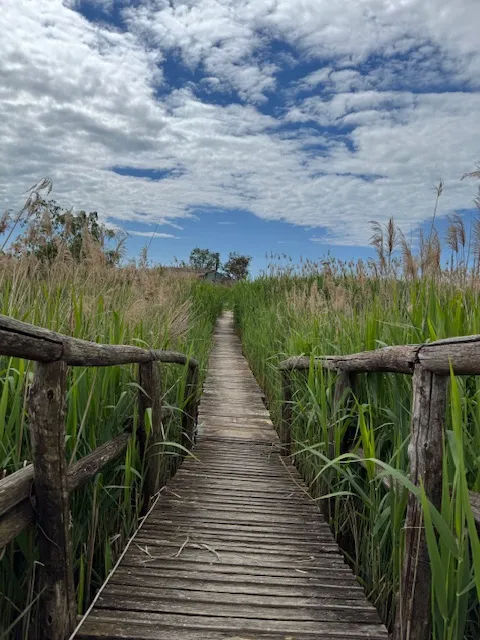
- 800m wooden boardwalk over the marsh
- 4 birdwatching hides + raised viewing platform
- Butterfly garden and reed-fringed paths
Walking Trails & Facilities
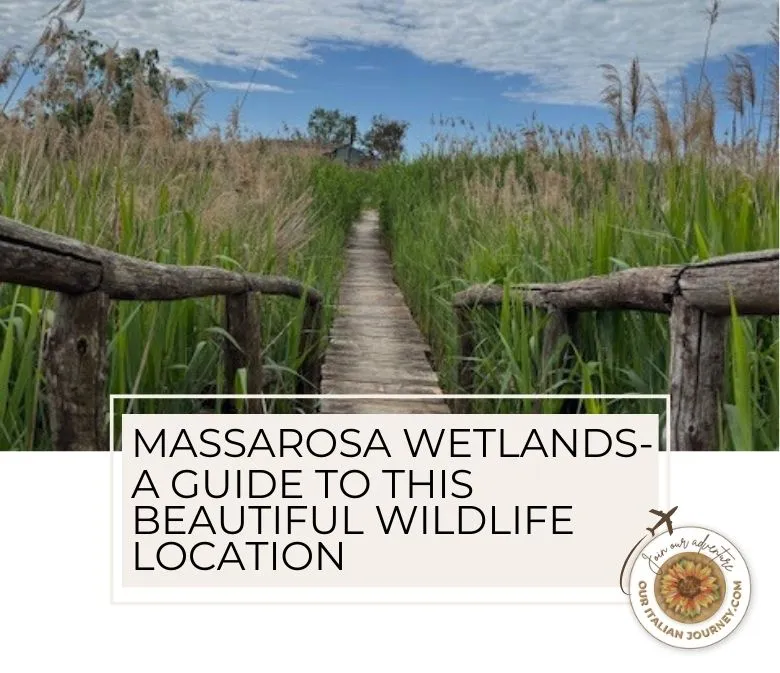
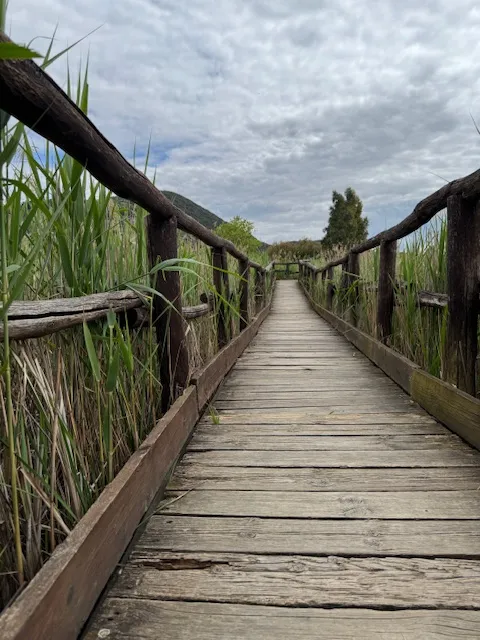
The main route through the reserve is an 800-meter wooden boardwalk — wide, flat, and easy for all ages. Even visitors with limited mobility can explore comfortably, making this an inclusive and relaxed way to experience the wetlands.
Along the walkway, you’ll find four bird hides (yikes… I had to look it up to make sure that was a correct term), each near nesting or feeding zones. Step inside, and you’ll see information panels in both Italian and English to help you identify species in real time. It makes birdwatching approachable, even for beginners.
In researching, I read that if you continue to the end of the walkway, you’ll reach a raised observation platform. From that location, you get sweeping views across the marsh. It’s one of the best places for photos at sunrise or sunset. I have to say, I don’t recall seeing this myself when we went, but just in case, I wanted to include this information in this post.
Near the Parking Lot and Entrance
Near the entrance, two things are worth a stop:
- A small butterfly garden, lively in warm months
- A mini ecological museum, with interactive displays about migration, wetland ecology, and conservation
Families might especially enjoy the museum as it turns the landscape into something kids can learn from, not just look at.
Why You’ll Love This Place
Birdwatching Highlights
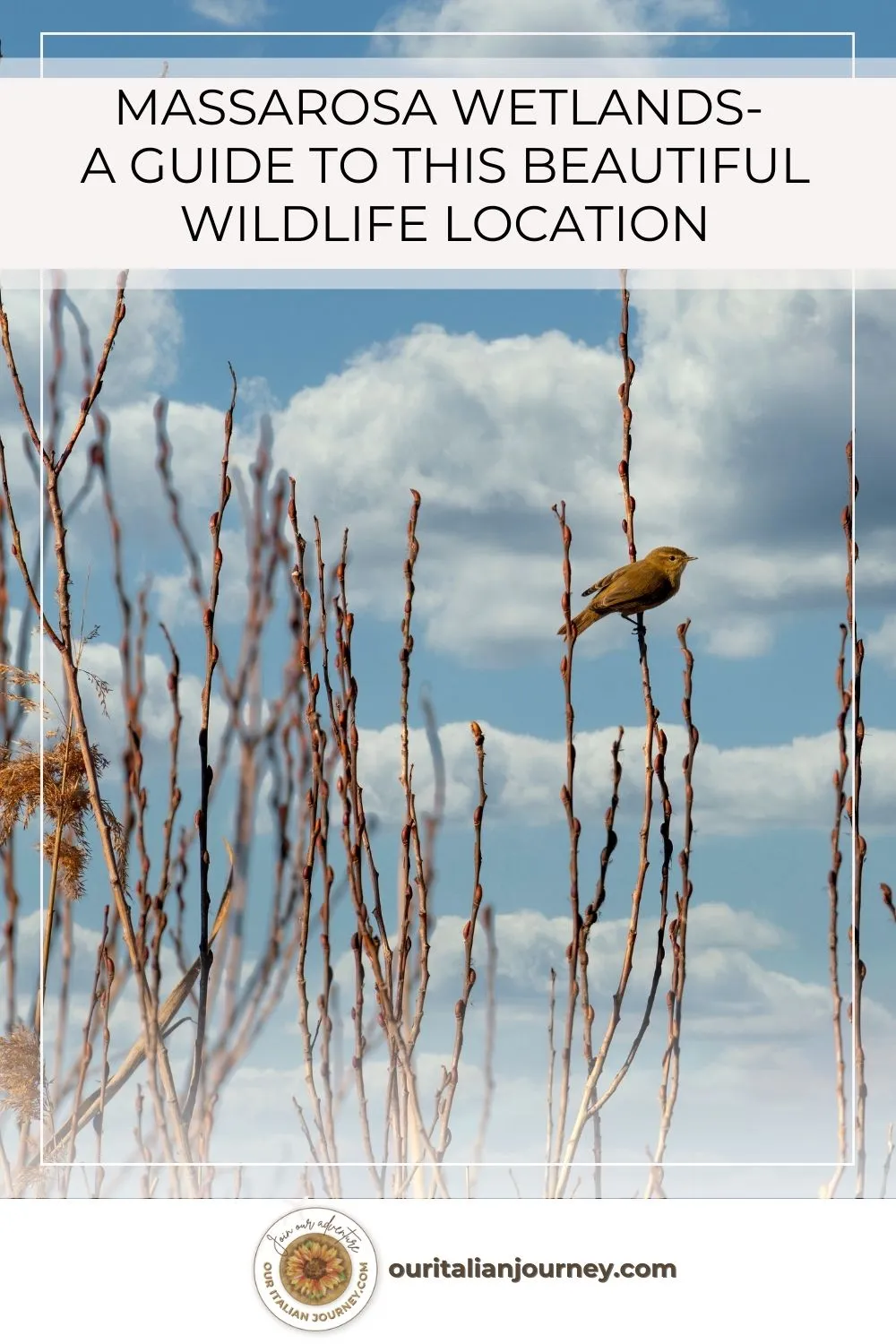
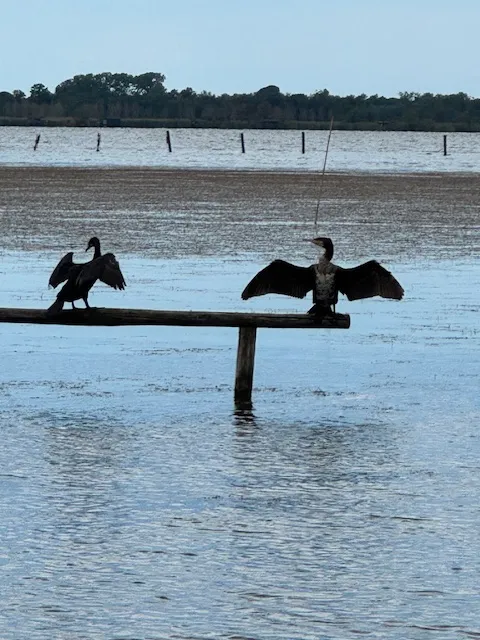
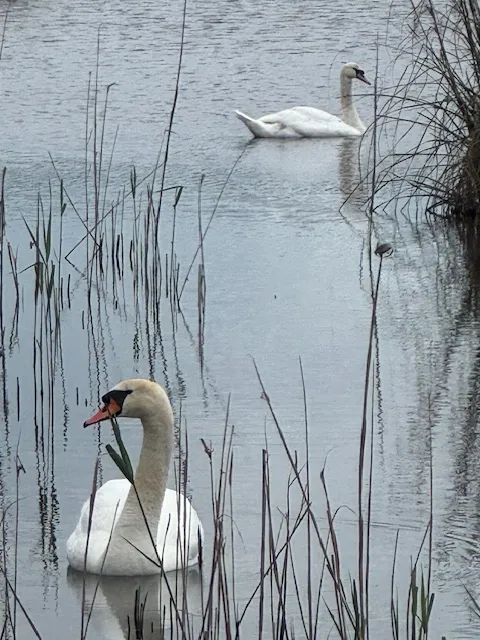
With over 150 species recorded in the oasis, you can expect plenty of movement year-round. Locals and enthusiasts hope for sightings of the rare bittern — shy, patterned, and beautifully camouflaged. Spoonbills, marsh harriers, cormorants, swans, egrets — the list is long and constantly changing.
Bring binoculars or a camera with a zoom if you have one. You’ll want to get close without disturbing the wildlife.
Go Deeper: Canoe & Kayak Trips
Beyond the walkways, canoe and kayak excursions let you slip into the wetlands’ quieter corners. The water reflects everything—clouds, reeds, birds—and the feeling of gliding through it is peaceful in a way that walking can’t match. If you prefer a guide, the visitor center often organizes tours that explain the ecosystem, wildlife patterns, and conservation work being done here.
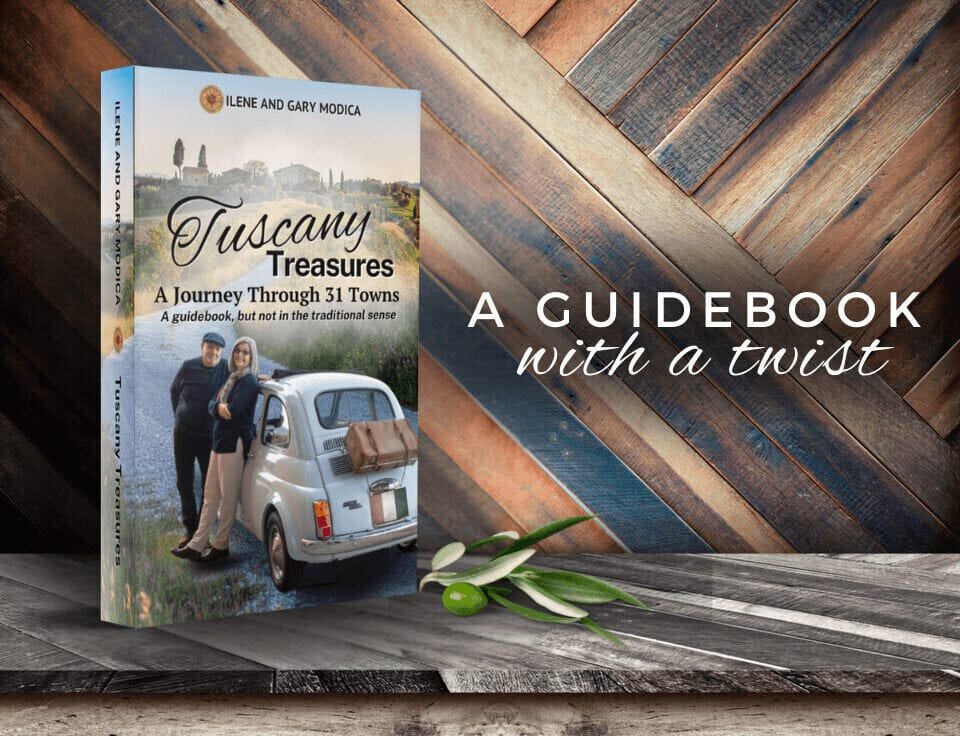
Massarosa is in our Tuscany guidebook…
A Guidebook but not in the Traditional Sense
Embark on an Italian adventure. Dive into the rich tapestry of each town, with insights into what to see, festivals and traditions, how to get there, plus the local food and wine you’ll enjoy—separate chapters on the seasons, national holidays, and an extensive rail travel section. Let us be your guide to these Tuscan towns!
Best Time to Visit the Massarosa Wetlands
Seems like there isn’t actually a wrong time to visit. Here’s a breakdown by season of what you might expect to find:
Spring & Autumn: Peak bird migration, comfortable temperatures, lots of activity.
Summer: Warm, bright days. Longer light for photography. Ideal for boat trips. Bring water and a hat.
Winter: Quiet, atmospheric, fewer visitors. A more reflective season — literally and emotionally.
Conclusion and Final Thoughts
Oasi Lipu di Massaciuccoli Massarosa is one of Tuscany’s most peaceful natural spaces — a rare stretch of stillness near a bustling city. Come for the boardwalk, the birds, the water, the calmness. Come because slowing down here feels easy. For more details about the area, you can visit here.
If you’re staying in Lucca or exploring northern Tuscany, take a few hours and lose track of time among these wetlands. Because… you’ll leave lighter than you arrived.