
Can you really retire in Italy? Absolutely. Thousands of people do it every year. Some arrive chasing a dream they have carried for decades, while others simply want a slower pace, a better quality of life, or a break from the stress and rising costs back home. However, many people quickly realize that vacationing in Italy and actually living in Italy full-time are two very different experiences.
This post contains affiliate links that help keep this website running. By purchasing through our links, we make a small commission at no extra charge to you. Thank you for your support!
The sunsets are still beautiful, the food is still incredible, and yes, those long lunches in the piazza really do happen. But daily life in Italy also comes with residency paperwork, healthcare decisions, taxes, banking appointments, and occasional frustration when a simple task somehow turns into three separate visits to an office that closed twenty minutes earlier than expected. That slower pace people fall in love with while traveling can sometimes test your patience once you live here permanently.
Still, many retirees would not trade this lifestyle for anything.
Retiring in Italy can be absolutely wonderful if you arrive with realistic expectations and take the time to understand what the process truly entails. If this move has been sitting in the back of your mind for years, here is the honest truth about what you should know before making the leap.
DISCLAIMER: We are not attorneys, accountants, or immigration experts. This post is based on our research, personal experience living in Italy, and information gathered from trusted sources at the time of writing. Because laws, visa requirements, taxes, and healthcare regulations can change, always verify current information with qualified professionals before making retirement plans.
Table of contents
- Let’s Start With Our Brief Story
- The Elective Residency Visa Is Usually The First Step
- The Paperwork Does Not End Once You Arrive
- The Cost Of Retiring In Italy Depends Heavily On Where You Live
- Renting Before Buying Is Usually The Smart Decision
- Healthcare In Italy Is Often Better Than People Expect
- Taxes Are One Area You Should Never Guess About
- Learning Italian Changes Your Entire Experience
- The Emotional Side Of Retiring Abroad Is Real
- So… Can You Really Retire In Italy?
Let’s Start With Our Brief Story
Our story is completely different because we obtained Italian citizenship through Gary’s grandfather, under Jus Sanguinis (Latin for “right of blood”). Our situation in Lucca is different than most of our friends. It’s different than most of our book readers and blog subscribers who visit us when in Lucca.
If citizenship is something you think you might be entitled to, this post is probably not for you. We have tons of posts on citizenship, but understand… Italian law keeps changing. It happened to us. One of our daughters jumped on the bandwagon, so to speak, as soon as we were given our citizenship. Another waited, and by the time she decided she wanted it, the laws had changed, and she was no longer eligible. I’m not trying to discourage anyone from trying – just know ahead of time it’s going to be a process. One I called the “rollercoaster ride of our lives.”
The Elective Residency Visa Is Usually The First Step
For most non-EU citizens, the Elective Residency Visa, commonly called the ERV, is the pathway used to retire in Italy. This visa is designed for people who can financially support themselves without working in Italy. In other words, Italy wants proof that you already have stable financial resources before granting long-term residency.
This often includes pensions, Social Security income, retirement accounts, investments, rental property income, or significant savings. One thing many people misunderstand is that the ERV generally does not allow you to work remotely while living in Italy. Even online work can become a gray area depending on your situation and the consulate reviewing your application.
The process itself can feel overwhelming because Italian consulates often interpret the requirements slightly differently. One consulate may ask for more detailed financial records, while another focuses heavily on healthcare coverage or proof of housing arrangements. You will likely need private health insurance, bank statements, FBI background checks, passport photos, translated or apostilled documents, and proof that you can comfortably support yourself financially while living in Italy.
For many people, this is the moment when retiring in Italy suddenly stops feeling like a dream and starts feeling very real.
The Paperwork Does Not End Once You Arrive
Many people assume that once the visa is approved, the difficult part is over. In reality, arriving in Italy is only the beginning of the process. After entering the country, you must apply for your Permesso di Soggiorno, which is your residency permit. This involves appointments, fingerprints, paperwork, and waiting periods that can sometimes test your patience.
You will also eventually need to establish residency, register your address, set up utilities, open bank accounts, and begin navigating systems that may feel very different from what you are used to back home. Some things move quickly, while others seem to happen at a pace that only Italy fully understands. (This has become one of my new favorite sayings.)
This is one reason why flexibility matters so much when retiring abroad. People who adapt best are usually those willing to slow down, accept that things may work differently, and understand that frustration is sometimes simply part of the process.

The Cost Of Retiring In Italy Depends Heavily On Where You Live
One of the biggest misconceptions about retiring in Italy is that life here is automatically inexpensive. While certain areas can absolutely be more affordable than parts of the United States, Canada, or the UK, Italy is not one giant bargain country where everything suddenly costs less.
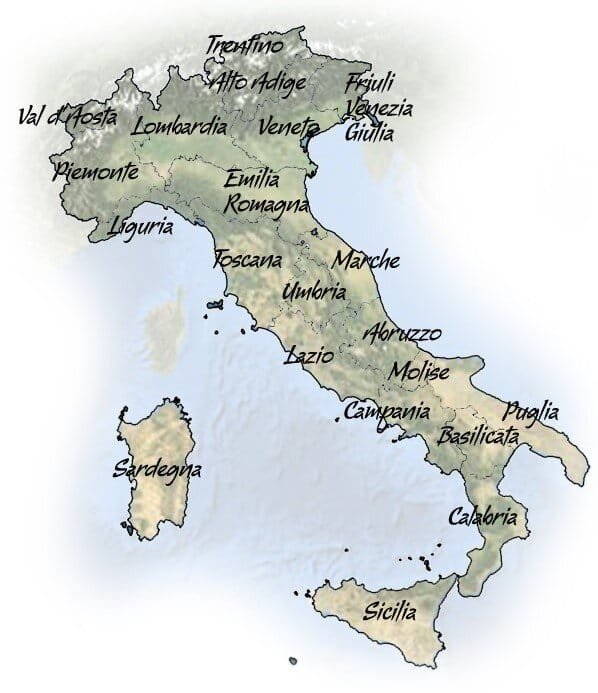
Your lifestyle and location make a tremendous difference. Smaller towns in regions like Abruzzo, Calabria, Puglia, or Le Marche can offer lower rents and a slower, more affordable pace of life. Meanwhile, Florence, Milan, Rome, Venice, and highly desirable areas of Tuscany can become expensive very quickly, especially if you hope to live in historic centers or popular expat destinations.
Many retirees are pleasantly surprised by some everyday costs. Fresh produce, local wine, espresso, and neighborhood restaurants are often far more affordable than expected. At the same time, utilities, imported products, private healthcare, fuel, and long-term rentals in popular areas may cost more than anticipated.
There are also hidden expenses people rarely think about before moving abroad. Translation services, residency paperwork, visa renewals, tax professionals, exchange rate fluctuations, and flights back home can all become part of your yearly budget. If the euro strengthens against your home currency, you will feel the difference quickly.
Retiring in Italy can absolutely provide a wonderful quality of life, but realistic budgeting matters far more than romantic social media videos showing cheap wine and beautiful sunsets.
Renting Before Buying Is Usually The Smart Decision
Many people dream of buying a farmhouse in Tuscany before they have ever experienced daily life in Italy beyond a short vacation. While that dream can certainly become reality one day, renting first is almost always the smarter approach.
A town that feels magical during a sunny September holiday may feel very different during a cold February when many businesses close, and tourists disappear. Some smaller towns become extremely quiet during the off-season, while others may require a car for nearly everything. This is the case for us regarding the town of Conversano in Puglia. Absolutely, we loved it, but during the wintertime, the town basically shuts down. We decided we didn’t want to live there.
Spending time in different regions during different seasons gives you a much clearer understanding of what daily life will actually feel like. It also helps you decide what truly matters to you. Some retirees want walkable cities with train access and nearby healthcare. Others dream of countryside life with olive trees and quiet evenings. Italy offers both, but not every location fits every lifestyle.
Finding the right fit matters far more than choosing the prettiest place on Instagram.
Healthcare In Italy Is Often Better Than People Expect
Healthcare is one of the biggest reasons many retirees seriously consider moving to Italy. Overall, Italy has an excellent healthcare system, and many expats are pleasantly surprised by both the quality of care and the affordability compared to what they experienced back home.
When you first move to Italy, you will need private health insurance in order to obtain your visa. After establishing residency, many retirees can apply to join the Italian public healthcare system. Compared to healthcare costs in countries like the United States, the difference can feel remarkable.
However, there are still adjustments. Appointments can sometimes move slower than expected, and wait times for specialists may vary depending on the region. Not every doctor speaks English fluently, especially in smaller towns. Because of this, some expats decide to maintain private insurance even after joining the public system because it allows quicker appointments and easier access to English-speaking providers.
Like many things in Italy, healthcare may operate differently than what you are used to. That does not automatically make it worse. Often, it is simply a matter of adjusting expectations and learning how the system works.
Taxes Are One Area You Should Never Guess About
Taxes are probably among the most misunderstood aspects of retiring in Italy. Italy taxes residents on worldwide income, and depending on your citizenship, pension type, investments, property ownership, and financial structure, your situation can become complicated quickly.
This is not an area where you want to rely entirely on social media groups or advice from strangers online. What applies to one retiree may not apply to another. Some retirees may qualify for Italy’s well-known 7% flat tax incentive available in certain southern towns, but the rules, locations, and eligibility requirements matter tremendously.
Because tax laws can change and personal situations vary so widely, working with a qualified tax professional familiar with both Italy and your home country is incredibly important before making any major decisions. One good professional conversation can save enormous stress and expensive mistakes later.
Learning Italian Changes Your Entire Experience
You do not need perfect Italian to live in Italy, but making an effort matters more than many people expect. Even basic Italian can completely change your daily experience. Grocery shopping becomes easier, pharmacy visits feel less intimidating, and conversations with neighbors suddenly become more meaningful.
More importantly, Italians genuinely appreciate the effort. While you can certainly find English spoken in larger cities and tourist areas, daily life often involves post offices, utility companies, residency offices, and healthcare appointments where English may be limited.
Translation apps help, but confidence and communication matter too. The people who seem happiest living in Italy are usually those who are willing to embrace the culture rather than constantly expecting Italy to function exactly like home. If you’ve followed us for a while, you know this is one of my major struggles. My desire to learn Italian is great – my ability, not so much. But it is a continuous effort, and I will keep trying.
The Emotional Side Of Retiring Abroad Is Real
This is something people do not talk about enough. Retiring abroad can sometimes feel lonely, especially in the beginning. You may miss family, holidays, familiar routines, favorite foods, or simply the comfort of knowing how things work without having to think about it. The family aspect of it is real for Gary and me. With ten grandchildren now, I will admit that sometimes my heart aches quite a bit. But this is something we have done for ourselves, and although we miss our grandchildren terribly, our everyday lives have improved tremendously.
There can also be moments of frustration when simple tasks suddenly become complicated. Banking appointments, internet installation, residency paperwork, and driving rules can test your patience in ways you never expected. Add in cultural differences, slower bureaucracy, and language barriers, and some days can feel emotionally exhausting.
At the same time, many retirees discover something they had been missing for years. Life often feels slower here in the best possible way. Meals last longer. Conversations matter. People spend time together. Daily life can feel less rushed and more intentional.
For many people, that slower rhythm becomes the true reward of retiring in Italy.
So… Can You Really Retire In Italy?
Yes. You absolutely can.
But the people who tend to succeed here are usually those who arrive with realistic expectations. They understand that Italy is not perfect, and they stop expecting it to be. There will be frustrating days. Bureaucracy will test your patience. Some things will make absolutely no sense. But please don’t come here and try to make it exactly like the city/town you just left. Italy shouldn’t be like a Phoenix, Chicago, or LA.
Just know that one evening you will find yourself sitting outside with a glass of wine while church bells echo through the piazza, and somehow life will feel quieter than it has in years.
That is usually the moment people understand why they came.
Retiring in Italy is not simply about escaping one life for another. The happiest retirees are usually building a different kind of life entirely. One with slower mornings, stronger connections, better food, more beauty, and a deeper appreciation for everyday moments.
If this is something you are seriously considering, spend time here beyond a short vacation. Explore different regions. Learn some Italian. Speak with legal and tax professionals. Ask questions. Research carefully and give yourself time before making major decisions.
Italy is not always easy, but for many people, it ends up being exactly where their heart feels at home. (That’s a pun on our second book title, “When Your Heart Finds Its Home.” (giggles)




Fantastic article about the realities of moving to Italy!
Thank you Tom – and no, I didn’t have you in mind when I wrote it. Perhaps a litle inspiration, though (giggles)
Love this. Thanks so much.
Thank you Gina. I hope it helps many people with misconceptions. Appreciate your support!
This is an excellent overview of the subject. It’s upbeat as well as very practical advice. I enjoy following your life in Lucca as well as learning the practical side of your life. Thanks for the information.
Thanks so much Karen. Appreciate your support of our journey and I hope many find this post informative. Grazie Mille!